4.9 Google
Corridor subsurface sampling · The Phase 2 follow-on to your PESA · Serving the Midwest
A PSI samples the High-Risk areas your Preliminary Environmental Site Assessment (PESA) flagged. Send us the completed PESA and we scope a sampling plan and quote — priced to the borings, depths, and analytes required.
Our field crews collect soil borings and groundwater samples at each High-Risk location along the corridor, logging conditions and chain-of-custody for every sample.
Samples go to an accredited laboratory for analysis — VOCs, SVOCs, RCRA metals, and more — validated against state cleanup objectives. Your report confirms or rules out contamination and guides soil disposal and budgeting.
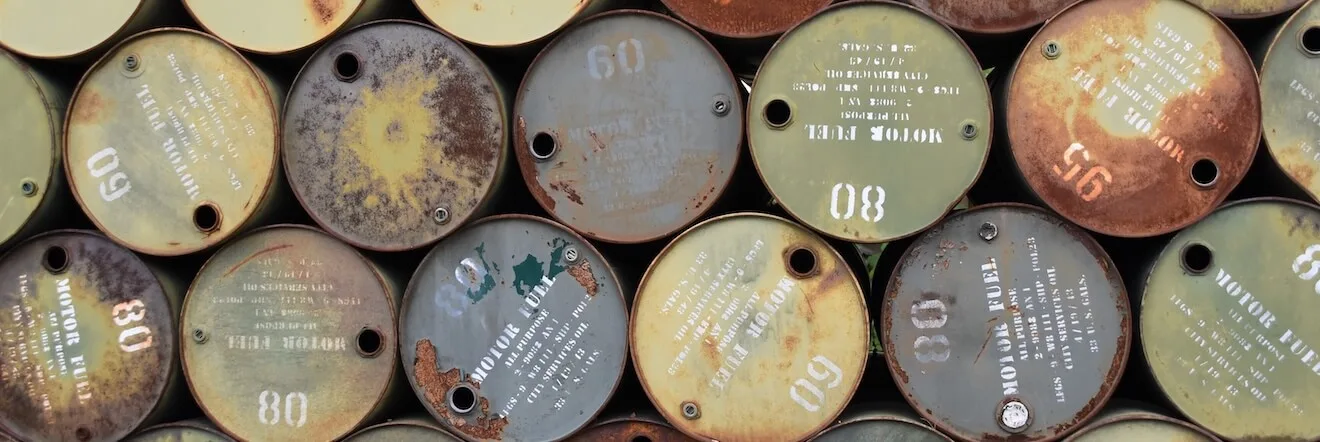
A PSI is the second step in corridor due diligence. It begins with a completed PESA, confirms or rules out contamination through subsurface sampling, and produces the data your agency needs to plan soil handling and budget for construction.
"We were running up against some deadlines, and they jumped through hoops to get everything completed on time."
"The A3E team did a great job on our Phase 1 report. They were quick, thorough and professional."
"They were able to give me all of the information that I needed. Highly recommend A3 Environmental."
Lab-validated sampling
Small business (WOSB)
Environmental consulting
Google Reviews

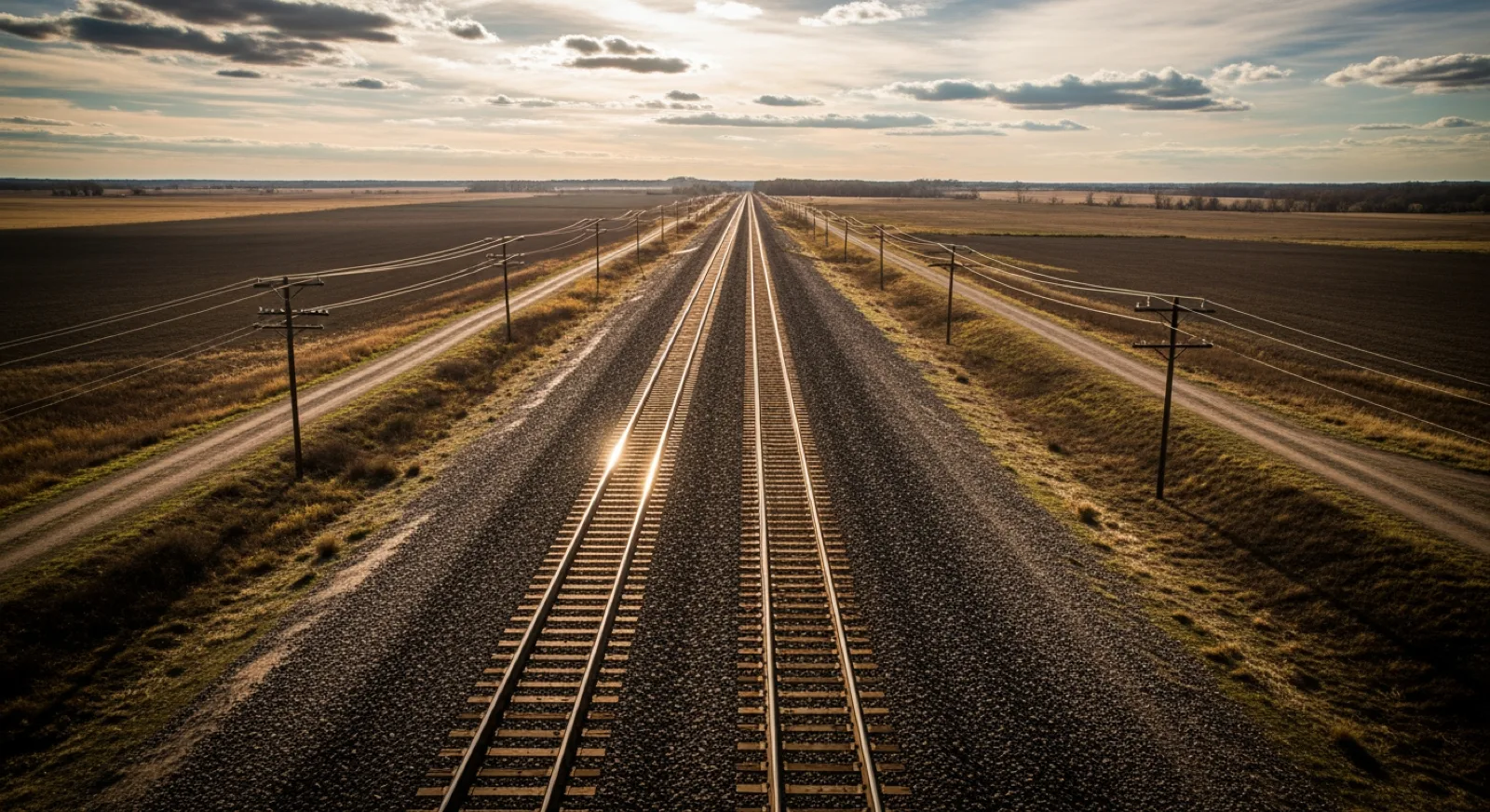
A Preliminary Site Investigation (PSI) is the same investigation as a Phase 2 ESA, except it is performed inside a corridor of right-of-way (ROW) rather than on a single commercial property. In practice, it is a long, narrow Phase 2 ESA: it uses subsurface sampling — soil borings, groundwater samples, and laboratory analysis — to confirm or rule out the contamination that a Preliminary Environmental Site Assessment (PESA) flagged along an infrastructure corridor. PSIs are used by public and private corridor owners — State Departments of Transportation, railroads, utilities (natural gas and electric), counties, and municipalities — building or upgrading roads, rail lines, pipelines, water mains, and utility corridors that cross many parcels.
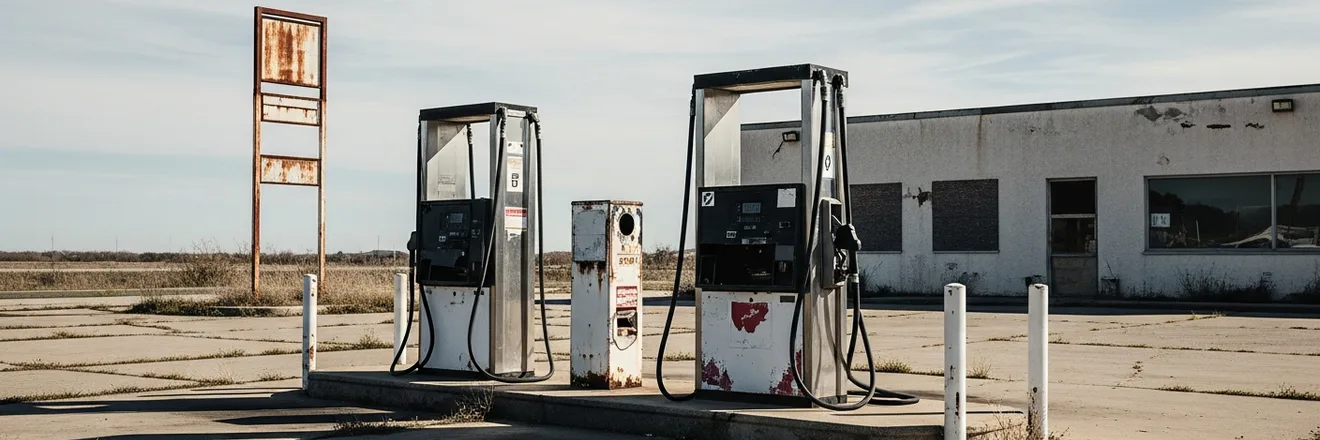
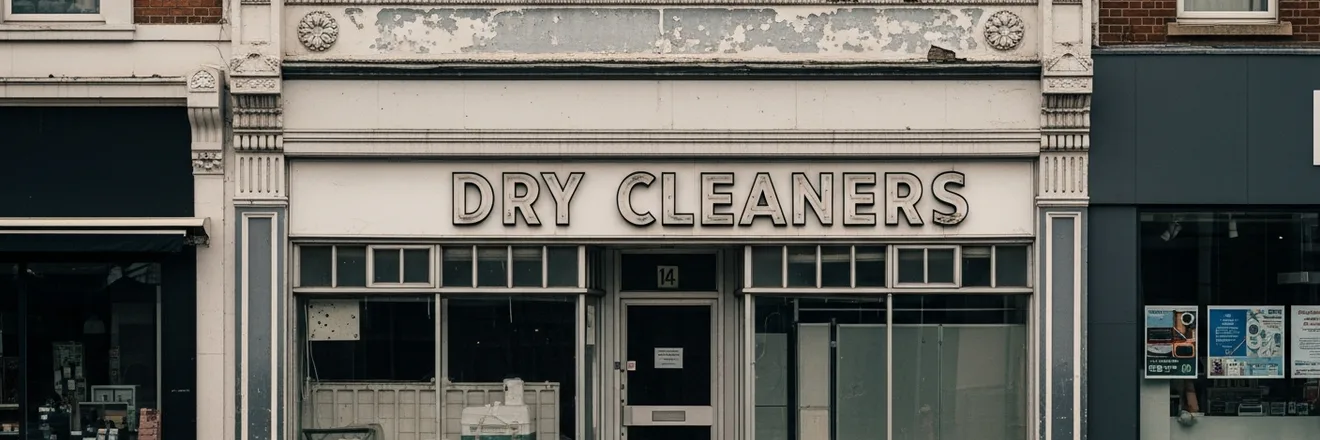
You do not order a PSI on its own. A PESA screens the entire corridor from records and field reconnaissance and classifies each area as No Concern, Low, Medium, or High Risk. A PSI is only needed where the PESA found High Risk — for example, a road widening that passes several dry cleaners, gas stations, and industrial parks. At those specific locations, the PSI digs in and samples the soil and groundwater to answer the one question records alone cannot: is contamination actually there?
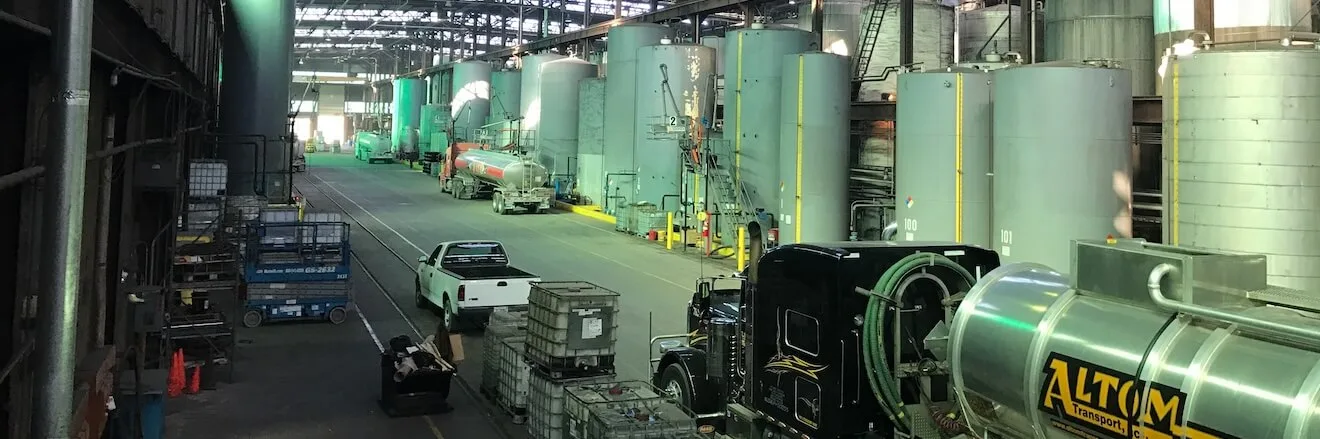
Our field crews collect soil borings and groundwater samples at each High-Risk area and send them to an accredited laboratory. Testing typically covers VOCs, SVOCs, RCRA metals, and occasionally elemental mercury, validated against state cleanup objectives such as Illinois' Tiered Approach to Corrective Action Objectives (TACO). The results matter for three reasons: worker safety, so crews know what they will encounter before breaking ground; budgeting accuracy, so an agency can plan for contaminated-soil removal instead of discovering it mid-construction; and cost savings, because confirming which soil is clean opens the door to less-expensive Clean Construction Demolition Debris (CCDD) handling rather than hazardous-waste disposal.
Every A3 Environmental PSI begins with your completed PESA, which tells us exactly where to sample. We scope a boring and analyte plan, collect samples under strict chain-of-custody, run laboratory analysis, and deliver a report that confirms or rules out contamination and guides soil-disposal planning. Because a PSI is public record, our reporting is built to stand up to FOIA review. A3 Environmental performs corridor investigations across Illinois, Wisconsin, Michigan, Indiana, and Iowa — backed by deep Midwest roots and a 4.9★ Google rating since 2015.