4.9 Google
(888) 405-1742

Clean Dirt or Dirty Dirt?
Soil Management Done Right.

Soil classification · CCDD / LPC-662 & 663 certification · Manifesting & hauling · Illinois

Soil Sampling · Clean-Fill Certification · Truck Manifesting & Disposal
CCDD & LPC-662 Paperwork Illinois Soil Facilities Free, No-Obligation Quote
4.9/5 Google
Lab-Validated Results
5,000+ Reports
Woman-Owned

Get Your Soil Management Quote

We'll respond promptly with next steps

Please enter a valid email address

Prefer to talk?

(888) 405-1742
More below
5,000+ Reports
4.9★ Google
Fast Site Response
Lab-Validated Sampling

How It Works

1

Send Us the Site

Give us the address or GPS coordinates of your soil stockpile or debris pile. We’ll be out to sample quickly — even inside 24 hours when your project can’t wait.

2

Sample & Classify

We collect samples under chain-of-custody and send them to an accredited laboratory. The data tells clean dirt from dirty dirt and determines exactly how your soil must be classified.

3

Certify, Manifest & Haul

Based on the results we complete and certify the paperwork — including the LPC-662 for CCDD clean fill — manifest the trucks, and arrange hauling to the correct, legal destination.
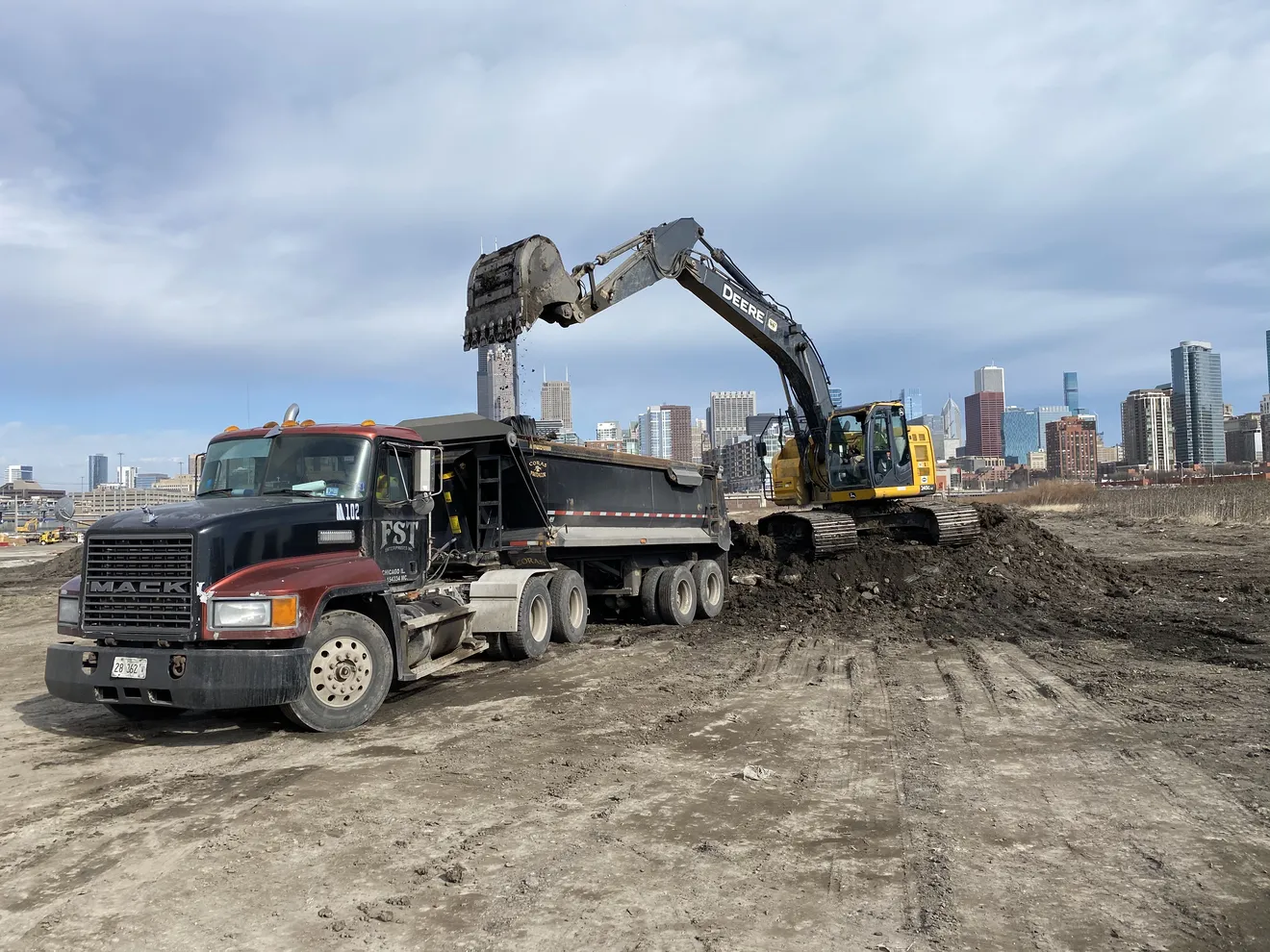
Soil sampling at a job site — collecting samples to classify excavated soil before disposal

Where Soil Management Fits

Soil management is what happens to the dirt once you know what’s in it. Sampling tells clean soil from contaminated soil; soil management classifies it, certifies the paperwork, and gets it hauled to the right place — and clean soil routed to a CCDD facility is far cheaper than the landfill.
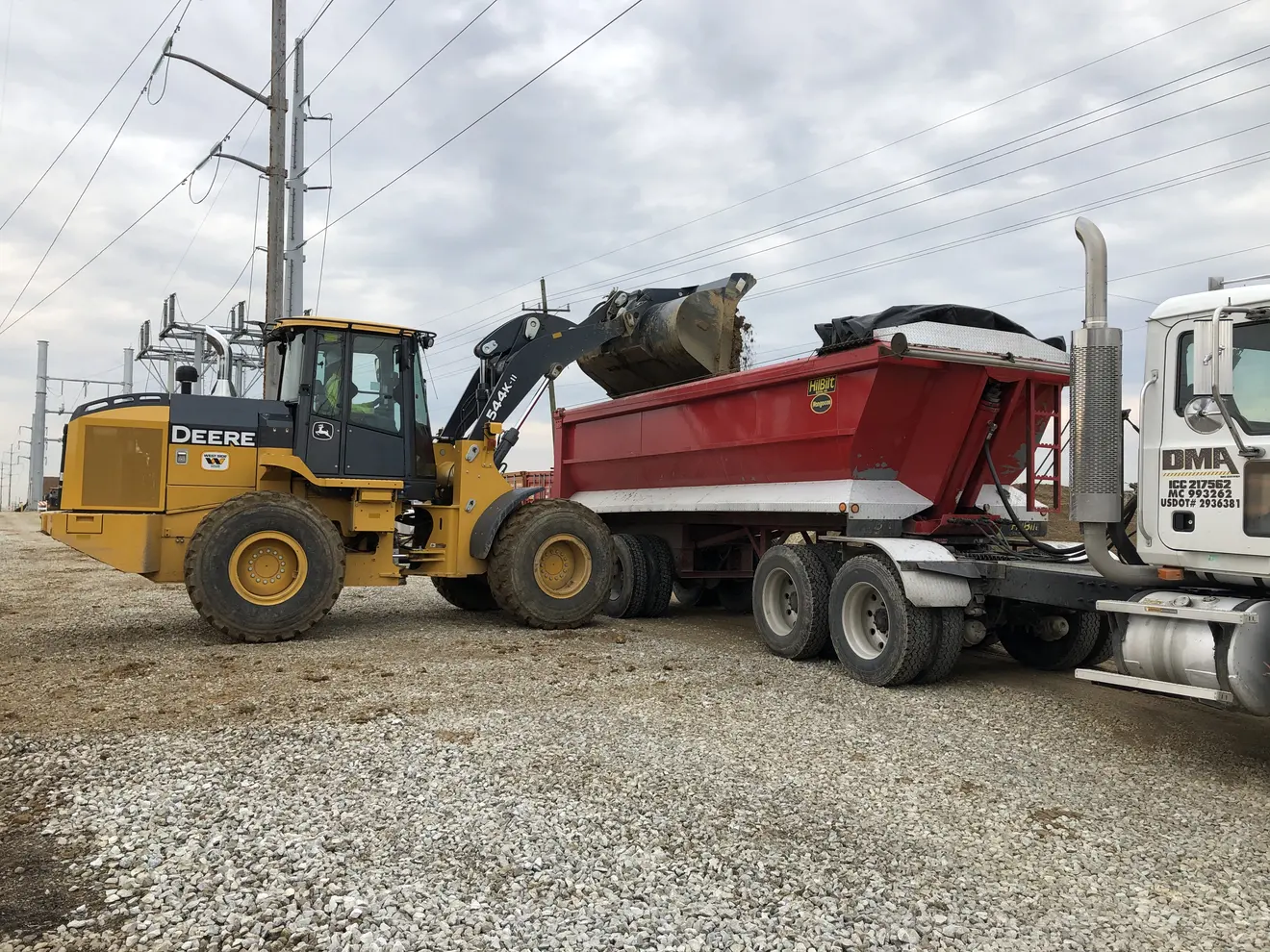
Soil Sampling (PSI)
The investigation that comes first — subsurface sampling that tells you what’s actually in the soil.
Step 1
Generates the data we classify.
  • Method: Soil borings, groundwater, lab analysis
  • Tests: VOCs, SVOCs, RCRA metals & more
  • Output: Lab data on what’s present
  • Best for: Corridors & investigated sites
Learn About PSI
You are here
Soil Management
Classification, certification, manifesting & hauling — getting your soil to the right legal destination.
Step 2
Free, no-obligation quote.
  • Does: Classify clean vs. contaminated soil
  • Completes: CCDD / LPC-662 & 663 certification
  • Handles: Truck manifesting & hauling
  • Best for: Moving excavated soil legally & cheaply
Get a Quote
CCDD Disposal
The low-cost destination for certified clean fill — Clean Construction & Demolition Debris facilities.
Outcome
For soil that passes as clean.
  • Accepts: Certified uncontaminated soil
  • Requires: A signed LPC-662 or 663 form
  • Saves: Vs. hazardous-waste landfill costs
  • Best for: Clean fill from excavation projects
Learn About CCDD
Drums and barrels at an industrial site — the kind of source that can leave contaminated soil requiring classification

What Our Clients Say

Industrial facility environmental consulting

Credentials That Matter

Accredited Labs

Lab-validated sampling

Woman-Owned

Small business (WOSB)

10+ Years

Environmental consulting

4.9 / 5 Stars

Google Reviews

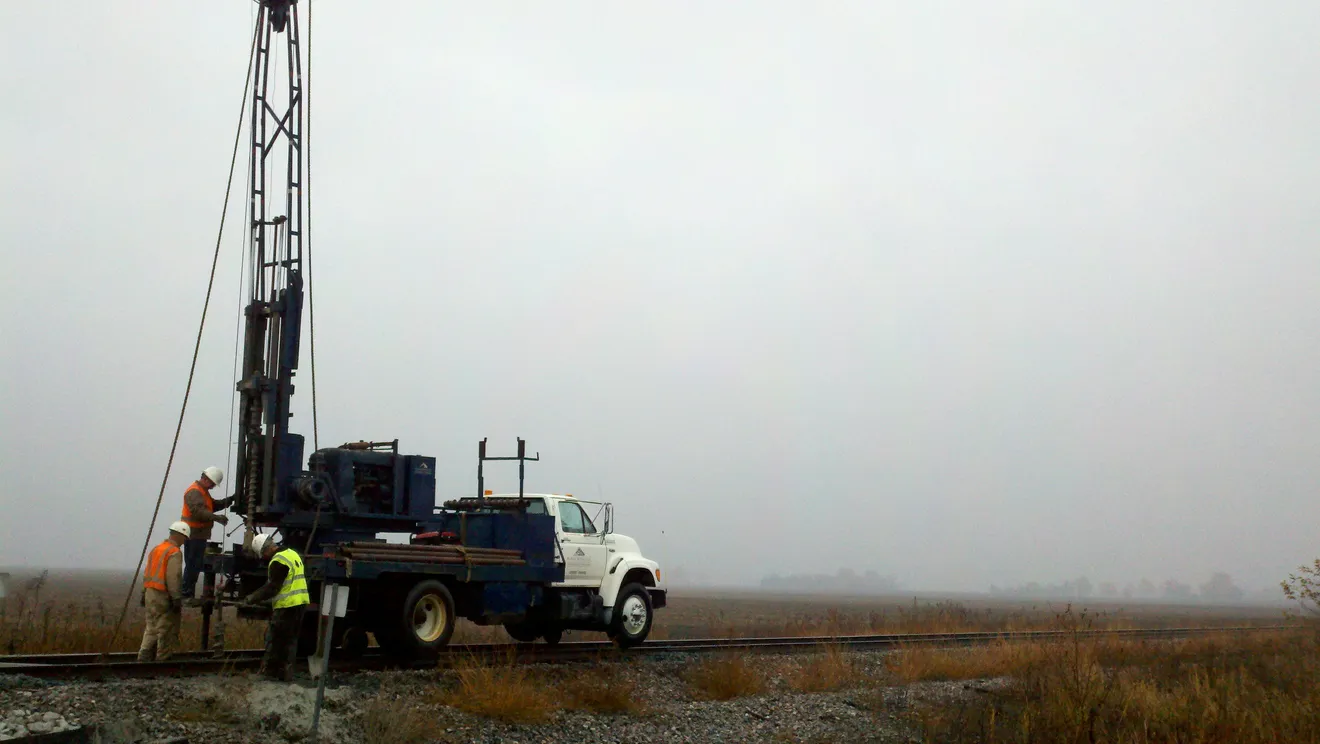
Drilling rig collecting soil samples at a job site to classify excavated material for disposal

Understanding Soil Management, Design & Oversight

Soil management is the work of deciding what to do with the dirt a project digs up. In Illinois, different facilities accept different waste streams, and the law cares which one your soil goes to. To know clean dirt from dirty dirt you need A3 Environmental to sample and classify the soil, complete the proper paperwork, manifest the trucks, and have the material delivered to the correct facility. Done right, it keeps clean soil out of expensive hazardous-waste disposal and keeps your project on the legal side of the line.

Can You Dig It? Clean Dirt vs. Dirty Dirt

Not all excavated soil is contaminated, and not all of it is clean. The only way to know is to test it. A3 Environmental collects soil samples under chain-of-custody and has them analyzed by an accredited laboratory, then compares the results to the applicable objectives — such as Illinois' Tiered Approach to Corrective Action Objectives (TACO). Soil that comes back below those objectives can be certified as uncontaminated; soil that exceeds them has to go to a licensed facility built to accept it. That single distinction is what drives the cost of moving your dirt.

CCDD, the LPC-662 & LPC-663, and Why It Saves Money

Illinois Clean Construction & Demolition Debris (CCDD) facilities accept uncontaminated soil and clean debris as fill at a fraction of what a landfill charges. Before a facility can accept your soil, the IEPA requires a certification, and which form you need depends on the property’s history. For a site that is not potentially impacted, the LPC-662 (“Source Site Certification by Owner or Operator”) is signed by the source-site owner or operator, typically backed by a historical review and pH testing. For a potentially impacted property — a former commercial or industrial use — the LPC-663 (“Uncontaminated Soil Certification by Licensed Professional Engineer or Geologist”) is required, supported by laboratory analysis compared to the IEPA Maximum Allowable Concentrations. Either way, all soil sent to a CCDD fill operation must also be pH-tested to the 6.25 to 9.0 range. A3 Environmental figures out which form your site needs, collects and interprets the samples, and completes the certification so your clean soil qualifies for CCDD rather than the much costlier hazardous-waste route. On a project that moves thousands of cubic yards, getting that classification right is real money.

Our Process and Coverage

Send us the address or GPS coordinates of your soil stockpile or debris pile and we’ll be out to sample quickly — even inside 24 hours when a project is time-sensitive. We collect the samples, run the laboratory analysis, complete and certify the paperwork the results call for, manifest the trucks, and — if you’d like — arrange a hauler to move the material to its proper, legal destination. You get one point of contact for sampling, classification, design, oversight, and disposal. A3 Environmental is based in Lisle, Illinois and serves the Midwest, backed by 5,000+ reports and a 4.9★ Google rating since 2015.
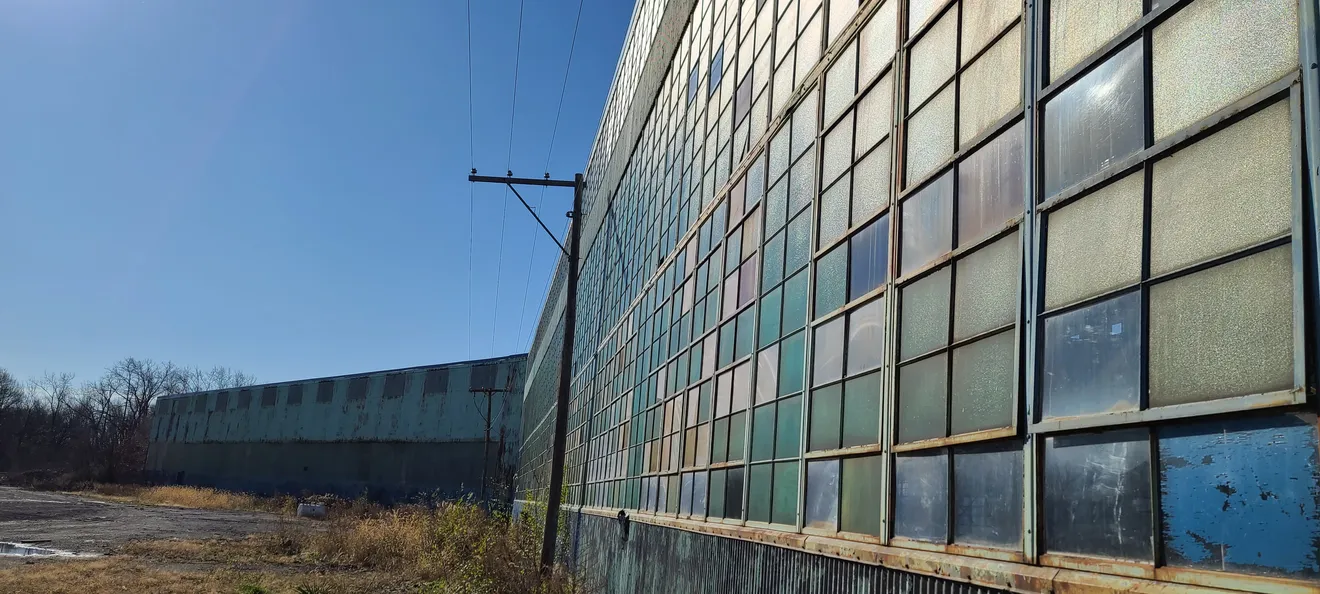
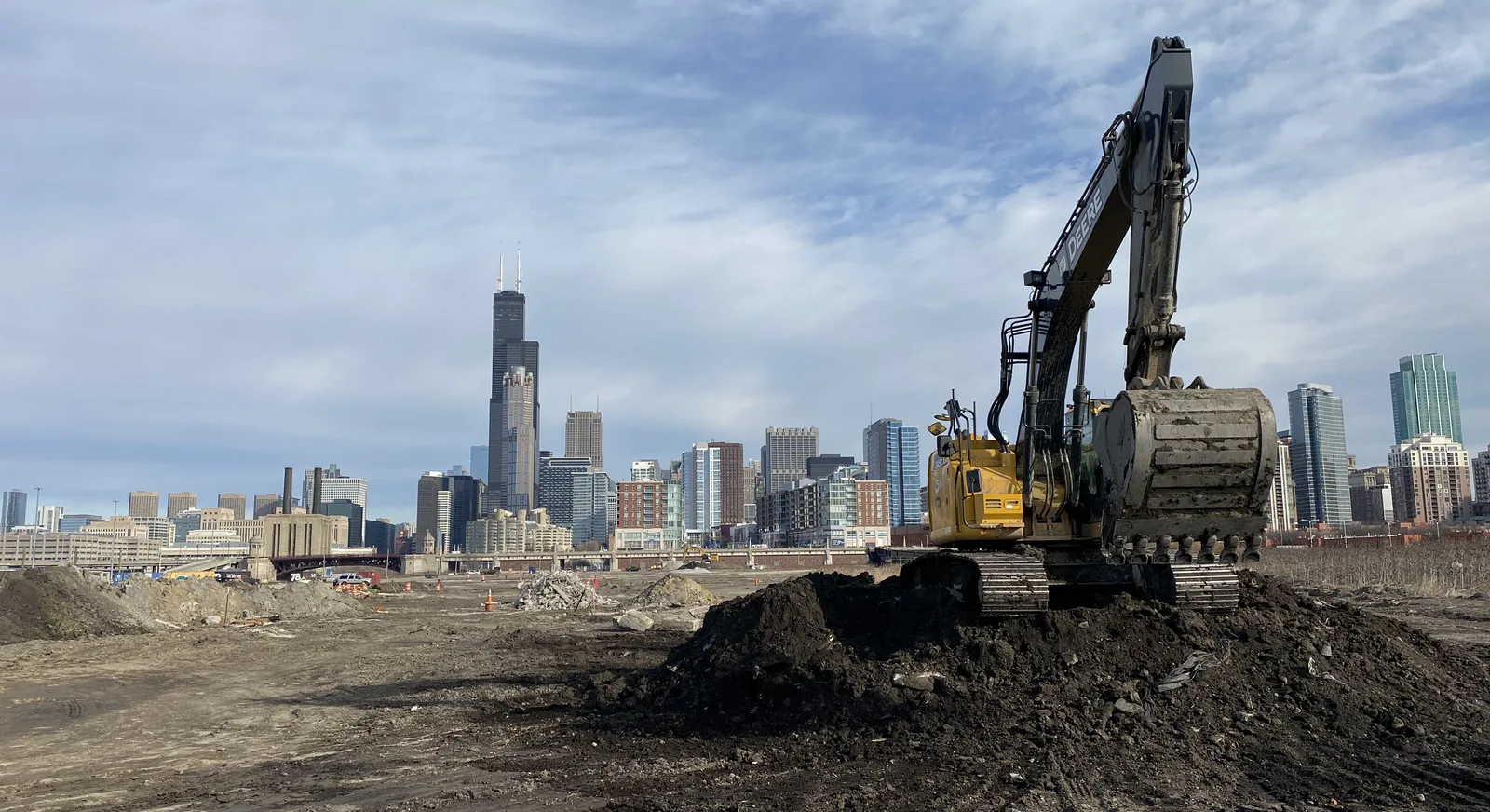
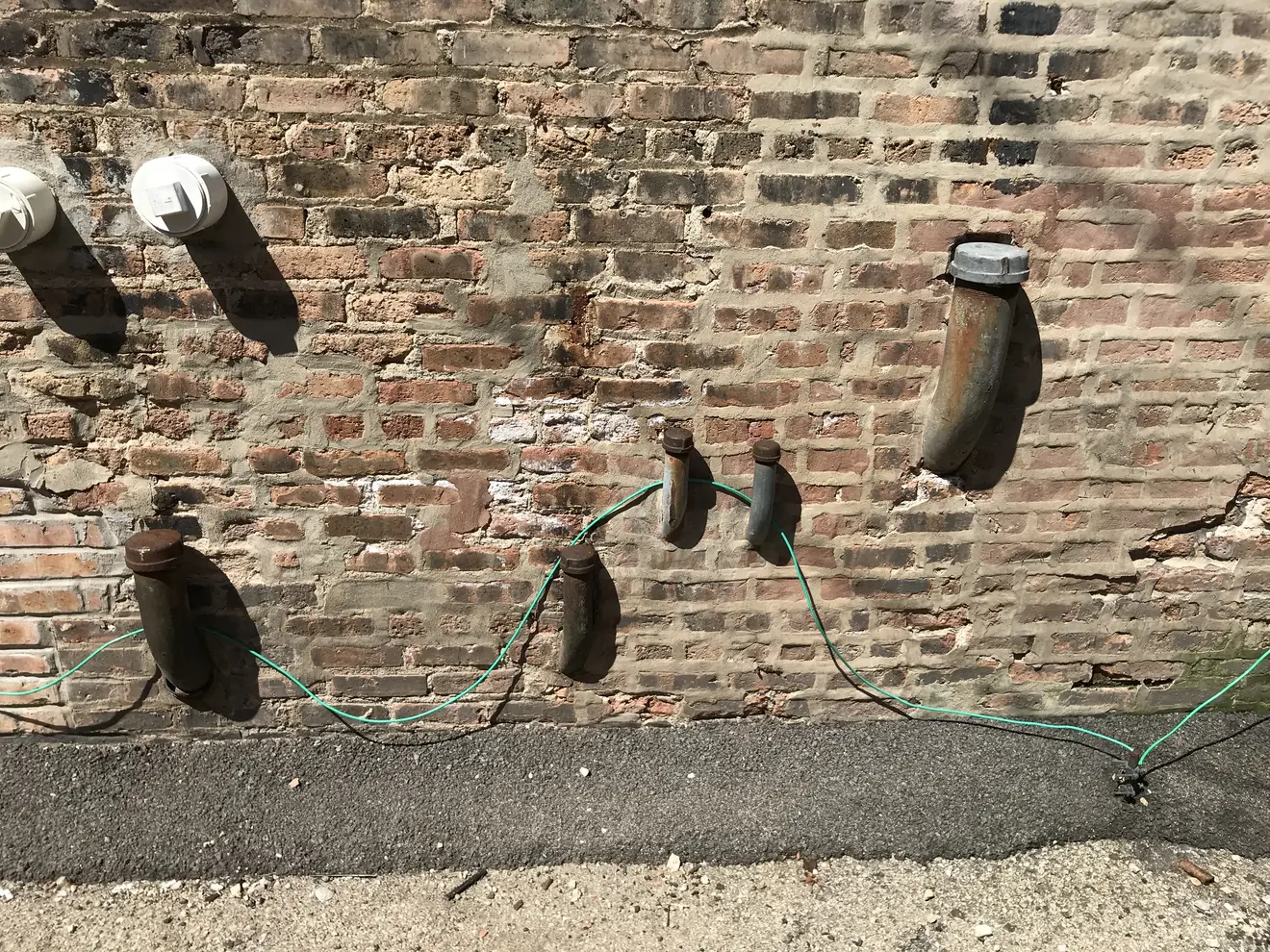
Former gasoline service station — a historic land use whose excavated soil often needs classification before disposal

Frequently Asked Questions

Soil management is the process of classifying excavated soil, completing the regulatory paperwork that determines where it can legally go, and getting it hauled to the correct facility. In Illinois, different facilities accept different waste streams, so A3 Environmental samples the soil to tell clean dirt from dirty dirt, fills out the proper certification, manifests the trucks, and arranges delivery — keeping clean soil out of expensive hazardous-waste disposal.
CCDD stands for Clean Construction & Demolition Debris. Illinois CCDD facilities accept uncontaminated soil and clean debris for fill at a fraction of the cost of a landfill. Before soil can be accepted, the IEPA requires a certification, and which form applies depends on the property’s history. The LPC-662, “Source Site Certification by Owner or Operator,” is signed by the source-site owner or operator for properties that are not potentially impacted (typically supported by a historical review and pH testing). The LPC-663, “Uncontaminated Soil Certification by Licensed Professional Engineer or Geologist,” is required for potentially impacted properties and is backed by laboratory analysis compared to the IEPA Maximum Allowable Concentrations. All soil sent to a CCDD fill operation must also be pH-tested to the 6.25 to 9.0 range. A3 Environmental determines which form your site needs, collects and interprets the samples, and completes the certification so your soil qualifies for CCDD.
Give us the address or GPS coordinates of your soil stockpile or debris pile and we can often be on site quickly — even inside 24 hours when a project is time-sensitive. We collect the samples, send them to an accredited laboratory, and use the data to determine how the soil must be classified and where it can be hauled.
Cost depends on how many soil samples are required, the analytes the site history calls for, and whether you also need manifesting and hauling. A3 Environmental scopes a sampling plan to your project and provides a free, no-obligation quote — fill out our form or call (888) 405-1742.
Yes. Once the soil is classified and the paperwork is certified, A3 Environmental can manifest the trucks and arrange for a hauler to move your soil or debris to the appropriate, legal destination — a CCDD facility for clean soil, or the correct licensed facility if the soil is contaminated. You get one point of contact for sampling, classification, manifesting, and disposal.
Ask About Soil Management