4.9 Google
(888) 405-1742

Buying Contaminated Property in Michigan? Get a Baseline Environmental Assessment.

Part 201 liability protection · Document existing contamination at purchase · So you're not liable for a mess you didn't make

Part 201 NREPA · EGLE Submittal · Due Care Guidance
Part 201 Liability Protection Michigan (EGLE) Free, No-Obligation Quote
4.9/5 Google
Lab-Validated Results
5,000+ Reports
Woman-Owned

Get Your BEA Quote

We'll respond promptly with next steps

Please enter a valid email address

Prefer to talk?

(888) 405-1742
More below
5,000+ Reports
4.9★ Google
Michigan / EGLE
Part 201 Liability Protection

How It Works

1

Confirm the “Facility” Status

A BEA only applies to a contaminated property. We use the Phase 1 and Phase 2 ESA results to confirm the property is a “facility” under Part 201 — contamination above Michigan’s residential cleanup criteria — which is what makes it eligible for a BEA in the first place.

2

Document the Baseline

We record the type, concentration, and extent of the existing contamination at the moment you take ownership. This baseline is the evidence that the contamination was already there — that you did not cause it — which is the foundation of your liability protection.

3

Submit to EGLE & Set Due Care

We prepare and submit the BEA to EGLE within the deadline and lay out your due care obligations — the steps needed to prevent exposure and avoid worsening the contamination. The property is recorded in the EGLE database, and your Part 201 protection is in place.
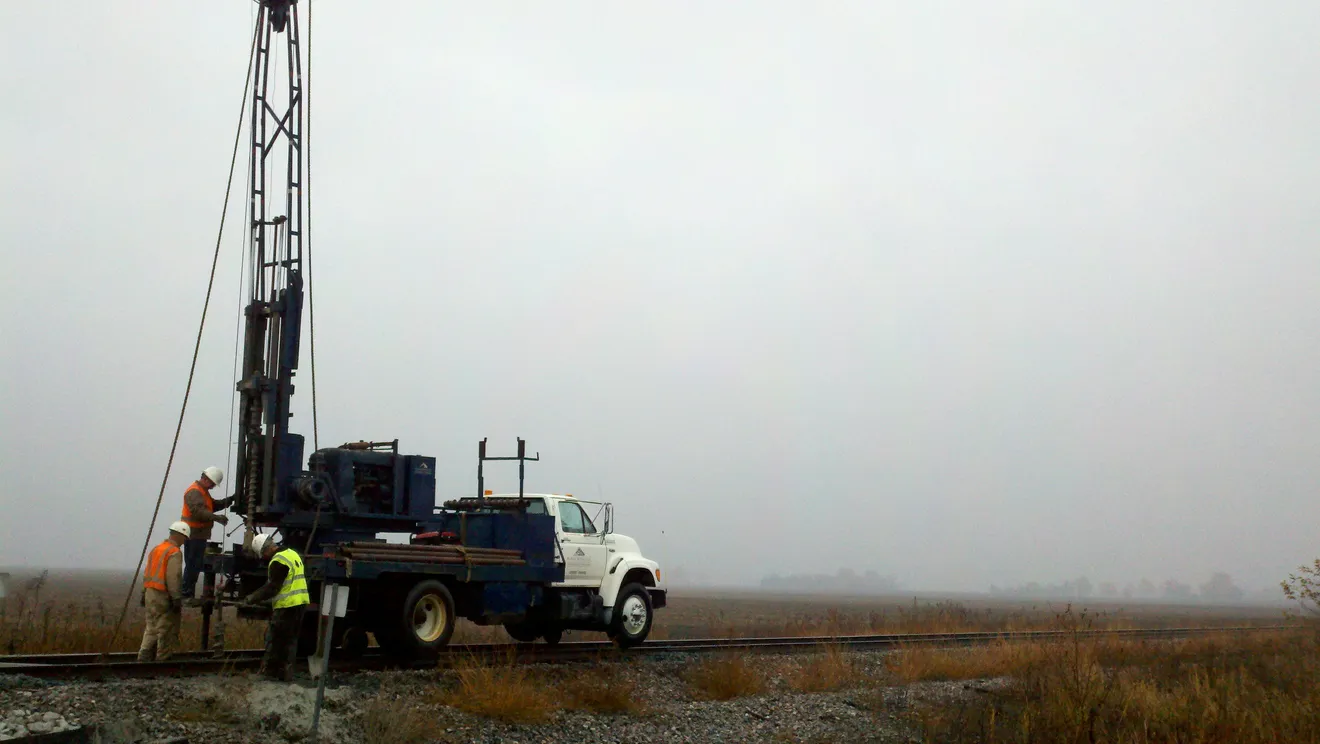
Soil and groundwater sampling at a contaminated property — the Phase 2 data that a Baseline Environmental Assessment documents

Where a BEA Fits

A BEA comes after a Phase 2 ESA. The Phase 2 confirms the property is contaminated above Michigan’s residential criteria — making it a “facility” — and the BEA documents that condition so a new owner gets Part 201 liability protection.
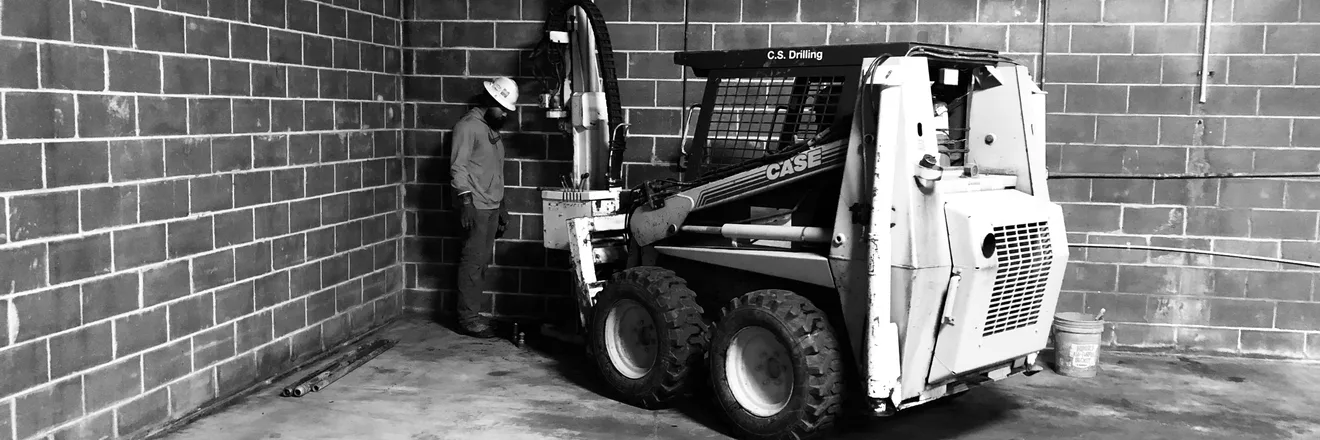
Phase 2 ESA
The subsurface sampling that comes first — confirms the contamination and concentrations that make a property a “facility.”
Step Before
Establishes the facility status.
  • Method: Soil borings, groundwater, lab analysis
  • Finds: Contamination above cleanup criteria
  • Output: The data a BEA documents
  • Best for: Confirming what’s on the property
Learn About Phase 2 ESA
You are here
Baseline Environmental Assessment
Documents existing contamination at purchase so EGLE shields you from liability for cleanup you didn’t cause.
Protection
Free, no-obligation quote.
  • Program: Part 201 of NREPA (Michigan)
  • Filed with: EGLE, within 6 months of purchase
  • Protects: New owners from inherited cleanup liability
  • Requires: A “facility” & ongoing due care
Get a Quote
Former dry cleaner storefront — a historic land use flagged in environmental site screening

What Our Clients Say

Industrial facility environmental consulting

Credentials That Matter

Accredited Labs

Lab-validated sampling

Woman-Owned

Small business (WOSB)

10+ Years

Environmental consulting

4.9 / 5 Stars

Google Reviews

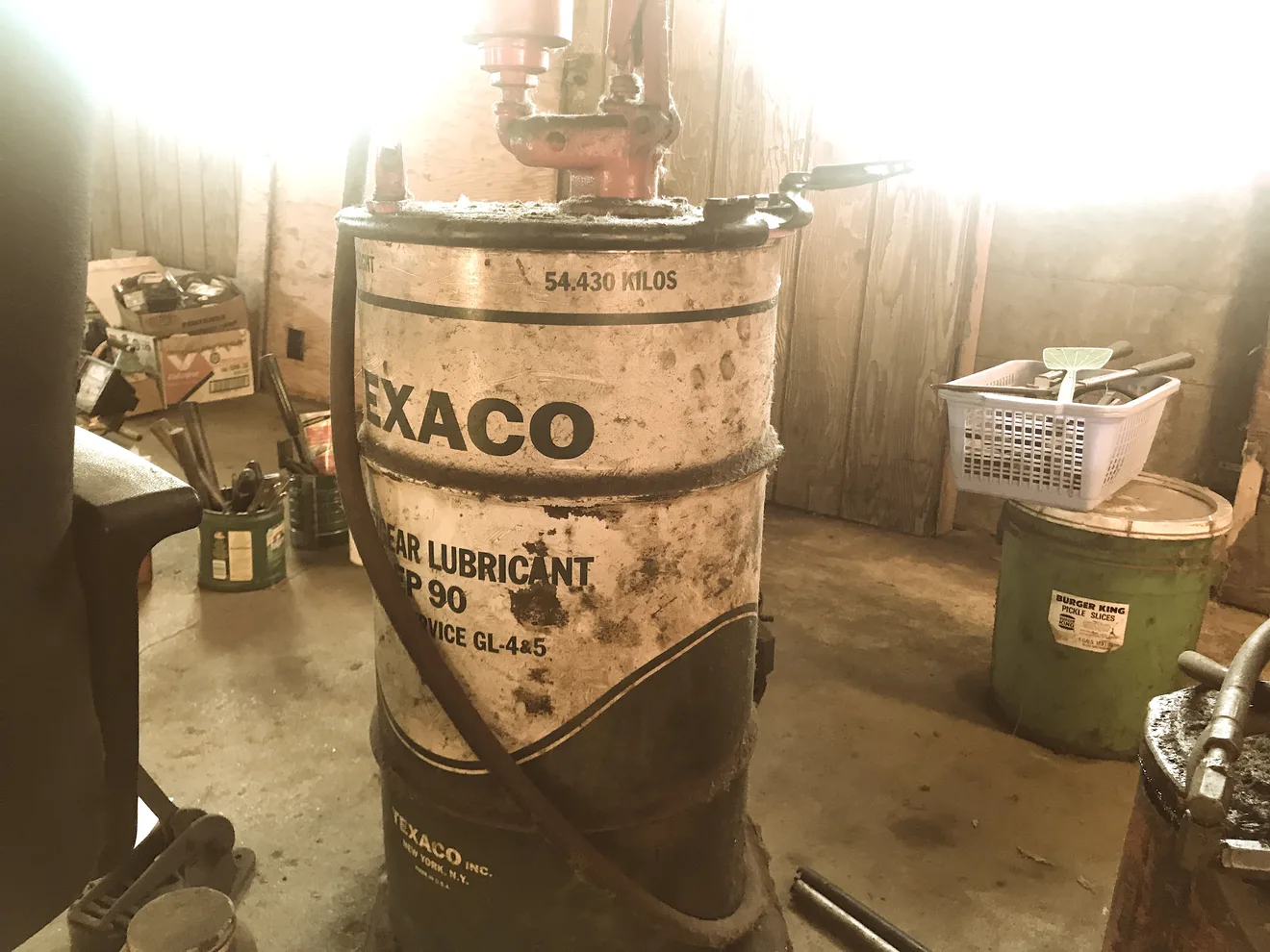
Drums and storage barrels at an industrial property — the kind of contamination a Baseline Environmental Assessment documents for liability protection

Understanding the Baseline Environmental Assessment

A Baseline Environmental Assessment is a Michigan tool that solves a hard problem: a contaminated property can sit idle because no one will buy it, since whoever owns it can be forced to clean it up — even contamination a prior owner caused. Michigan’s answer, authorized under Part 201 of the Natural Resources & Environmental Protection Act (NREPA, P.A. 451 of 1994), is the BEA. By documenting the contamination that already exists when you take ownership and disclosing it to the Michigan Department of Environment, Great Lakes, and Energy (EGLE), you establish that you did not cause it — and in return EGLE shields you from liability for cleaning it up. It is the mechanism that lets a contaminated site become a productive, financeable property again.

When You Need a BEA

A BEA only applies once a property is a “facility” under Part 201 — meaning a Phase 2 ESA has confirmed contamination above Michigan’s applicable residential cleanup criteria. That is why a BEA comes after a Phase 2 ESA. If the Phase 2 finds nothing above those criteria, the property is not a facility and a BEA is neither required nor recommended. Some properties are never eligible regardless of contamination — those regulated under other programs such as landfills, treatment/storage/disposal (TSD) facilities, underground storage tanks, and federal Superfund sites. If you are buying a contaminated commercial or industrial property in Michigan, a BEA is usually the difference between a deal that closes and one that dies.

The Timing That Makes or Breaks It

Timing is the most common way the protection is lost. The BEA must be conducted prior to or within 45 days of purchase, occupancy, or foreclosure — whichever comes first — and the completed assessment must be submitted to EGLE within 6 months of becoming the owner or operator. Because the BEA is built on the underlying Phase 1 and Phase 2 ESAs, the smart move is to start the work before closing, so the assessment is ready and the clock never runs out. A3 Environmental performs all three — Phase 1, Phase 2, and the BEA — so the hand-offs don’t cost you time.

Liability Protection in Exchange for Due Care

A BEA limits your liability for pre-existing contamination, but it does not erase all responsibility. Under Part 201 you take on due care obligations: prevent anyone from being exposed to the contamination, and avoid any action that worsens it or lets it migrate off your property. In practice that might mean preventing groundwater ingestion — prohibiting potable wells or connecting to municipal water — or addressing a soil-vapor pathway into a building before occupancy. The trade-off is worth it: by being upfront with EGLE and meeting due care, you open the door to bank financing, a clean sale, and a property that can be used again. A3 Environmental identifies your due care obligations and prepares the BEA submittal. We serve property owners and buyers across Michigan, backed by 5,000+ reports and a 4.9★ Google rating since 2015.
Former gasoline service station — a contaminated Michigan property where a Baseline Environmental Assessment protects the new owner

Frequently Asked Questions

A Baseline Environmental Assessment (BEA) is a Michigan document, authorized under Part 201 of the Natural Resources & Environmental Protection Act (NREPA), that records the environmental condition of a contaminated property at the moment a new owner or operator takes it on. By documenting the existing contamination and disclosing it to the Michigan Department of Environment, Great Lakes, and Energy (EGLE), the new owner establishes that they did not cause it. In exchange for exercising due care, EGLE provides liability protection so the new owner is not responsible for cleaning up the pre-existing contamination. The BEA is Michigan-specific; no other state or the federal government has adopted it.
Without a BEA, whoever owns a contaminated “facility” can be held responsible for cleaning it up — even contamination caused by a prior owner. A BEA documents the contamination that already existed at the time you acquired the property, which demonstrates you did not cause it and do not intend to worsen or interact with it. As long as you meet your due care obligations, EGLE provides limited liability protection for cleanup of that pre-existing contamination. This is what makes a contaminated property financeable and sellable again.
A property becomes a “facility” under Part 201 of NREPA when contamination is present above Michigan’s applicable residential cleanup criteria — typically confirmed through a Phase 2 ESA. The facility designation is what makes a property eligible for a BEA. If a Phase 2 ESA finds no contamination above those criteria, the property is not a facility and a BEA is neither required nor recommended. Properties regulated under other programs — landfills, treatment/storage/disposal (TSD) facilities, underground storage tanks, and federal Superfund sites — are not eligible.
Timing is strict and is the most common way the protection is lost. The BEA must be conducted prior to or within 45 days of purchase, occupancy, or foreclosure — whichever comes first. The completed BEA and submittal form must then be sent to EGLE prior to or within 6 months of becoming the owner or operator. Because the underlying Phase 1 and Phase 2 ESAs feed the BEA, the work should be started before closing whenever possible.
A BEA limits your liability for cleanup, but it does not erase all responsibility. Under Part 201 you must exercise due care: prevent unacceptable exposure to the existing contamination and avoid any action that exacerbates it or causes it to migrate off your property. In practice that can mean preventing groundwater ingestion (prohibiting potable wells or connecting to municipal water) or addressing a soil-vapor pathway into a building before occupancy. A3 Environmental identifies your due care obligations as part of the BEA.
The three build on each other. A Phase 1 ESA reviews records and history to identify Recognized Environmental Conditions (RECs). If a REC is found, a Phase 2 ESA samples soil and groundwater to confirm contamination and its concentration. If that contamination exceeds residential cleanup criteria, the property is a “facility” — and a BEA documents that condition to secure liability protection for the new owner. So a BEA comes after a Phase 2 ESA, and A3 Environmental performs all three.
Ask About BEAs