4.9 Google
(888) 405-1742

Phase 1 ESA Found a REC? Get a Phase 2 ESA.

Subsurface sampling to ASTM E1903-19 · Confirm or rule out contamination · Accepted by banks & the SBA

Soil Borings · Groundwater Sampling · Laboratory Analysis
ASTM E1903-19 Illinois, Wisconsin, Michigan, Indiana & Iowa Custom Quote in 1 Hour
4.9/5 Google
Lab-Validated Results
5,000+ Reports
Woman-Owned

Get Your Phase 2 ESA Quote

Response within 1 hour

Please enter a valid email address

Prefer to talk?

(888) 405-1742
More below
5,000+ Reports
4.9★ Google
Midwest Coverage
Accepted by Banks & SBA

How It Works

1

Scope the Investigation

We start from the Recognized Environmental Conditions (RECs) your Phase 1 ESA identified, then scope a targeted sampling plan — boring locations, depths, and the exact analytes the suspected source requires. You get a clear, budget-conscious quote before any drilling begins.

2

Collect the Samples

Our field crews advance soil borings, install monitoring wells where groundwater data is needed, and collect soil, groundwater, and (when relevant) soil-vapor samples — screening with photoionization detectors and logging strict chain-of-custody on every sample.

3

Lab Analysis & Report

Samples go to an accredited laboratory, then we prepare a Phase 2 ESA report to ASTM E1903-19 — comparing results to state cleanup objectives and stating clearly whether contamination is present. The report is accepted by banks and the SBA.
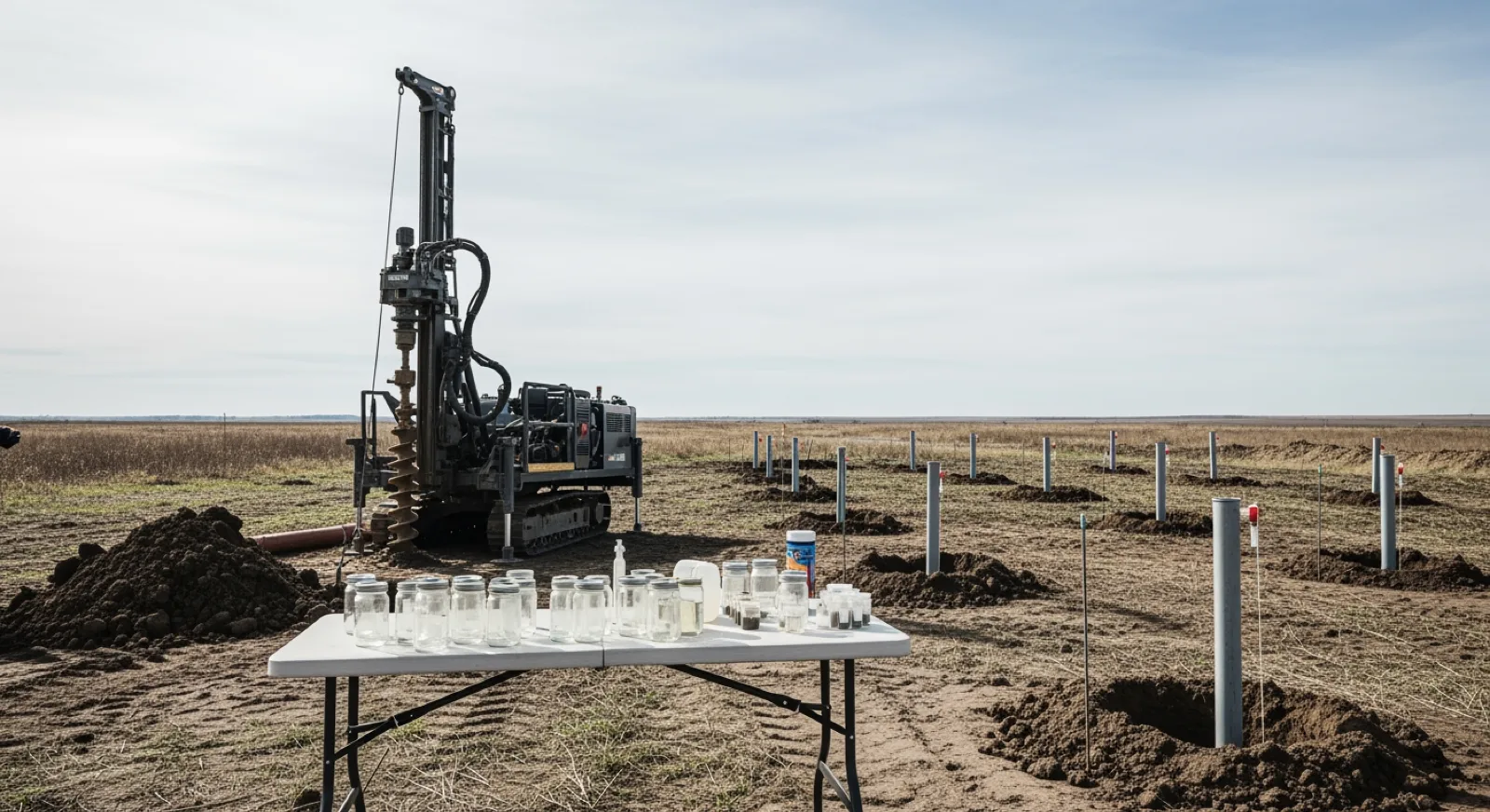
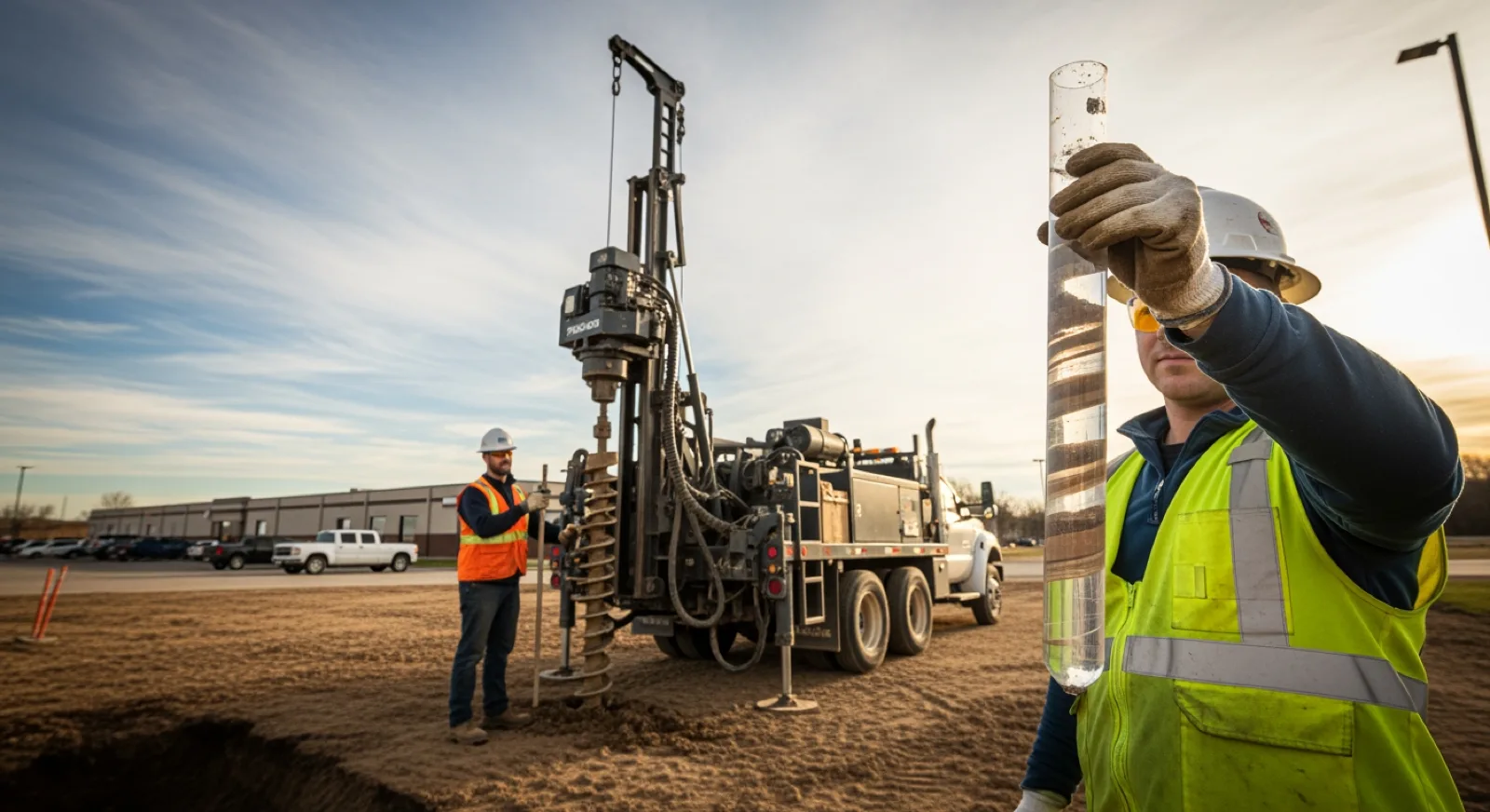
Soil and groundwater sampling setup at a Phase 2 ESA site — drilling rig and sample collection

Where a Phase 2 ESA Fits

A Phase 2 ESA is the next step after a Phase 1 ESA flags a Recognized Environmental Condition. It physically samples the property to confirm or rule out contamination — and, where vapor intrusion is the concern, a focused Soil Gas Investigation targets the inhalation pathway.
Phase 1 ESA
The records-and-site review that comes first — identifies the RECs a Phase 2 then investigates.
Step 1
Comes before a Phase 2.
  • Standard: ASTM E1527-21
  • Method: Records, history, site visit — no sampling
  • Finds: Recognized Environmental Conditions (RECs)
  • Best for: Lender & SBA due diligence
Learn About Phase 1
You are here
Phase 2 ESA
Subsurface sampling that confirms or rules out the contamination a Phase 1 flagged.
Step 2
Custom quote — scoped to the REC.
  • Standard: ASTM E1903-19
  • Method: Soil borings, groundwater, lab analysis
  • Tests: VOCs, SVOCs, RCRA metals, petroleum
  • Accepted by: Banks & the SBA
Order Now
Soil Gas Investigation
A focused Phase 2 on the vapor pathway — for VOC sites where vapor intrusion is the concern.
Vapor
Custom quote — sub-slab & soil-vapor.
  • Tests: VOCs only (TCE, PCE, petroleum)
  • Method: Sub-slab & soil-vapor sampling
  • Triggered by: A vapor intrusion concern
  • Best for: Protecting indoor air quality
Learn About Soil Gas
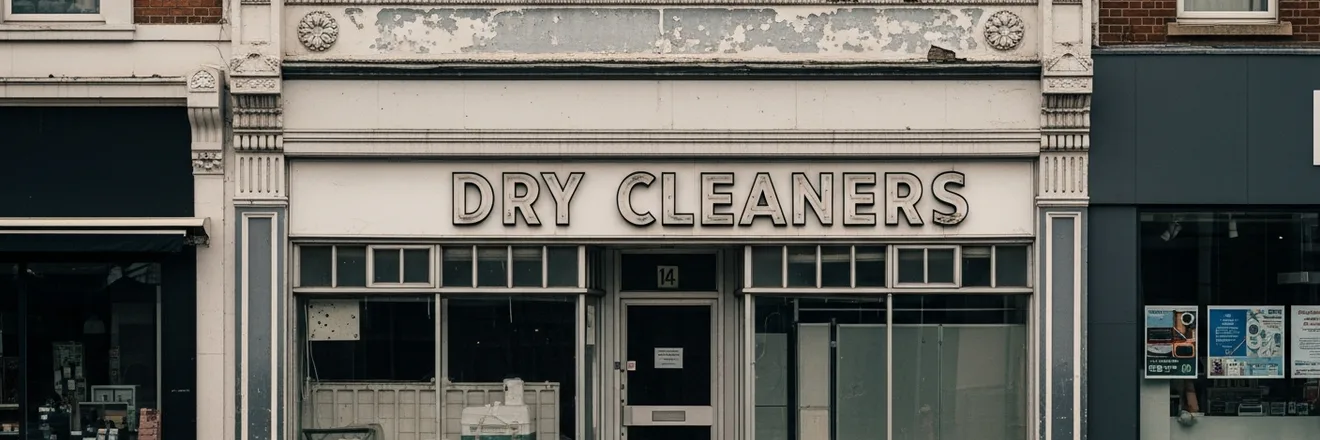
Former dry cleaner storefront — a historic land use flagged in environmental site screening

What Our Clients Say

Industrial facility environmental consulting

Credentials That Matter

Accredited Labs

Lab-validated sampling

Woman-Owned

Small business (WOSB)

10+ Years

Environmental consulting

4.9 / 5 Stars

Google Reviews

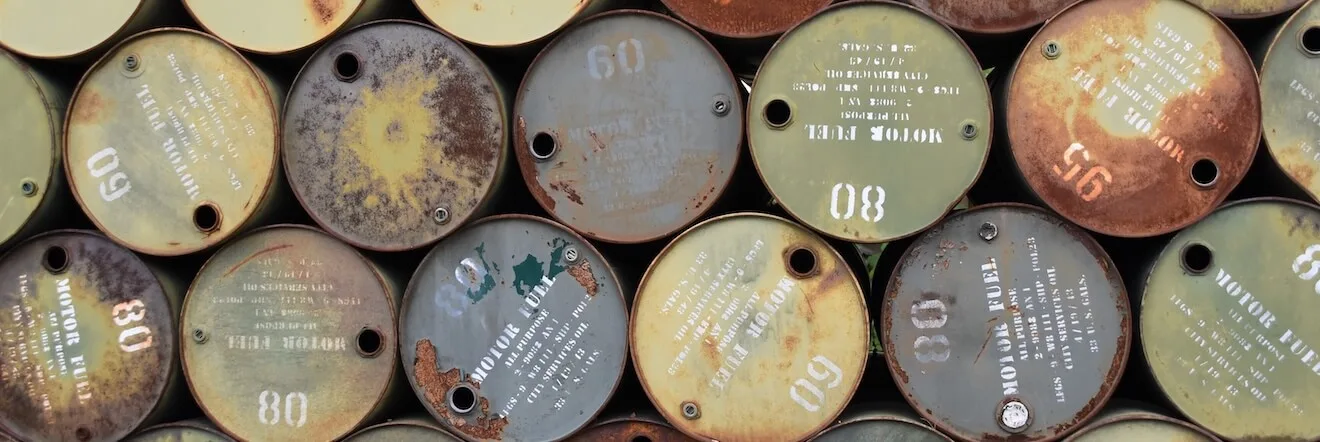
Drums and storage barrels at an industrial property — a recognized environmental condition a Phase 2 ESA investigates

Understanding the Phase 2 Environmental Site Assessment

A Phase 2 Environmental Site Assessment is the intrusive, sample-based follow-up to a Phase 1 ESA. Where a Phase 1 reviews records, history, and a site visit to flag potential problems — Recognized Environmental Conditions, or RECs — a Phase 2 physically tests the ground to answer the question records cannot: is contamination actually there, and is it above or below the state's cleanup objectives? A3 Environmental performs Phase 2 ESAs to ASTM E1903-19, the standard accepted by banks and the Small Business Administration (SBA), so the report carries the weight lenders need to close a deal.

What Triggers a Phase 2 ESA

You order a Phase 2 when a Phase 1 ESA identifies a REC that cannot be explained away — an undocumented underground storage tank, a history of dry-cleaning or fueling operations, unexplained staining, or a gap between the site's history and the regulatory record. At that point the only way forward is to sample. Buyers, sellers, and lenders rely on the Phase 2 to either clear the property or define exactly what is wrong with it before money changes hands.

What the Sampling Tells You

Our scientists scope the investigation around the specific REC, then advance soil borings and collect groundwater — and, where the concern warrants, soil-vapor — samples. Analytes are matched to the suspected source: petroleum hydrocarbons for a former gas station, chlorinated solvents for a former dry cleaner, RCRA metals for an industrial site, plus VOCs, SVOCs, and PAHs as the situation requires. Field crews screen soil with photoionization detectors (PIDs) as borings advance, and the accredited laboratory results are validated against state cleanup objectives such as Illinois' Tiered Approach to Corrective Action Objectives (TACO). The result is a definitive yes-or-no on contamination — and a measured picture of how much, and where.

Our Process and What Comes Next

Every A3 Environmental Phase 2 begins with a strategic, budget-conscious scope — we agree on areas of concern, target chemicals, and sample locations before the drillers mobilize, so there are no surprises on the invoice. We collect samples under strict chain-of-custody, run laboratory analysis, and deliver a Phase 2 ESA report comparing results to regulatory objectives. If the property is clean, your due diligence is closed out. If contamination is found, A3 Environmental has the in-house resources to carry the project into site investigation, remediation, and ultimately a No Further Remediation (NFR) letter from the state. We serve Illinois, Wisconsin, Michigan, Indiana, and Iowa — backed by hundreds of completed Phase 2 ESAs and a 4.9★ Google rating since 2015.
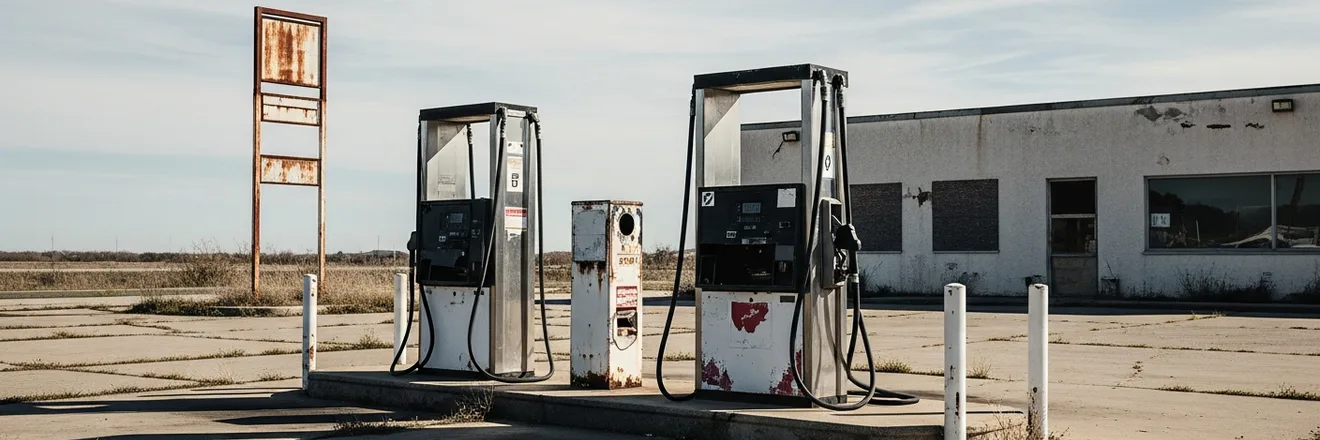
Former gasoline service station — a recognized environmental condition that triggers a Phase 2 ESA

Frequently Asked Questions

A Phase 2 ESA is a subsurface investigation performed to ASTM E1903-19 after a Phase 1 ESA identifies a Recognized Environmental Condition (REC). Where a Phase 1 reviews records and observations, a Phase 2 physically samples soil, groundwater, and sometimes soil vapor to confirm or rule out contamination — and to determine whether any contamination found is above or below state cleanup objectives. The report is accepted by banks and the SBA.
A REC is an issue affecting the property that a Phase 1 ESA could not explain away — for example, an undocumented underground storage tank, historical dry-cleaning or fueling operations, or staining that has no matching regulatory record. A REC is what triggers a Phase 2 ESA: the records alone cannot say whether contamination is actually present, so the property must be sampled.
Phase 2 ESA pricing depends entirely on scope — the number of soil borings, sample depths, monitoring wells, and laboratory analytes the identified REC requires. Because no two RECs are alike, A3 Environmental provides a custom quote scoped to your specific Phase 1 findings. Fill out our form or call (888) 405-1742 for a free, no-obligation estimate.
Scheduling the drillers and property access typically happens within about three weeks, laboratory analysis takes 7 to 10 days, and report preparation takes roughly another 7 days — about 30 to 45 days total. When a closing timeline is tight, expedited service is available; we provide a firm schedule with your quote.
Analytes are selected based on the REC. A site with a former gas station is tested for petroleum hydrocarbons; a former dry cleaner for chlorinated solvents; an industrial site for RCRA metals. A Phase 2 may also screen for VOCs, SVOCs, and PAHs. Field crews use photoionization detectors (PIDs) to screen soil as borings are advanced, and results are validated against state cleanup objectives such as Illinois' Tiered Approach to Corrective Action Objectives (TACO).
If sampling confirms contamination above state objectives, A3 Environmental has the in-house resources to continue into the site investigation and remediation process — and, where appropriate, to pursue a No Further Remediation (NFR) letter from the state regulatory agency that formally closes the property. If results come back clean, the Phase 2 report closes out your due diligence so the deal can proceed.
Ask About Phase 2 ESAs