4.9 Google
Certify your clean soil & debris for low-cost CCDD fill · LPC-662, 663 & 667 · Illinois
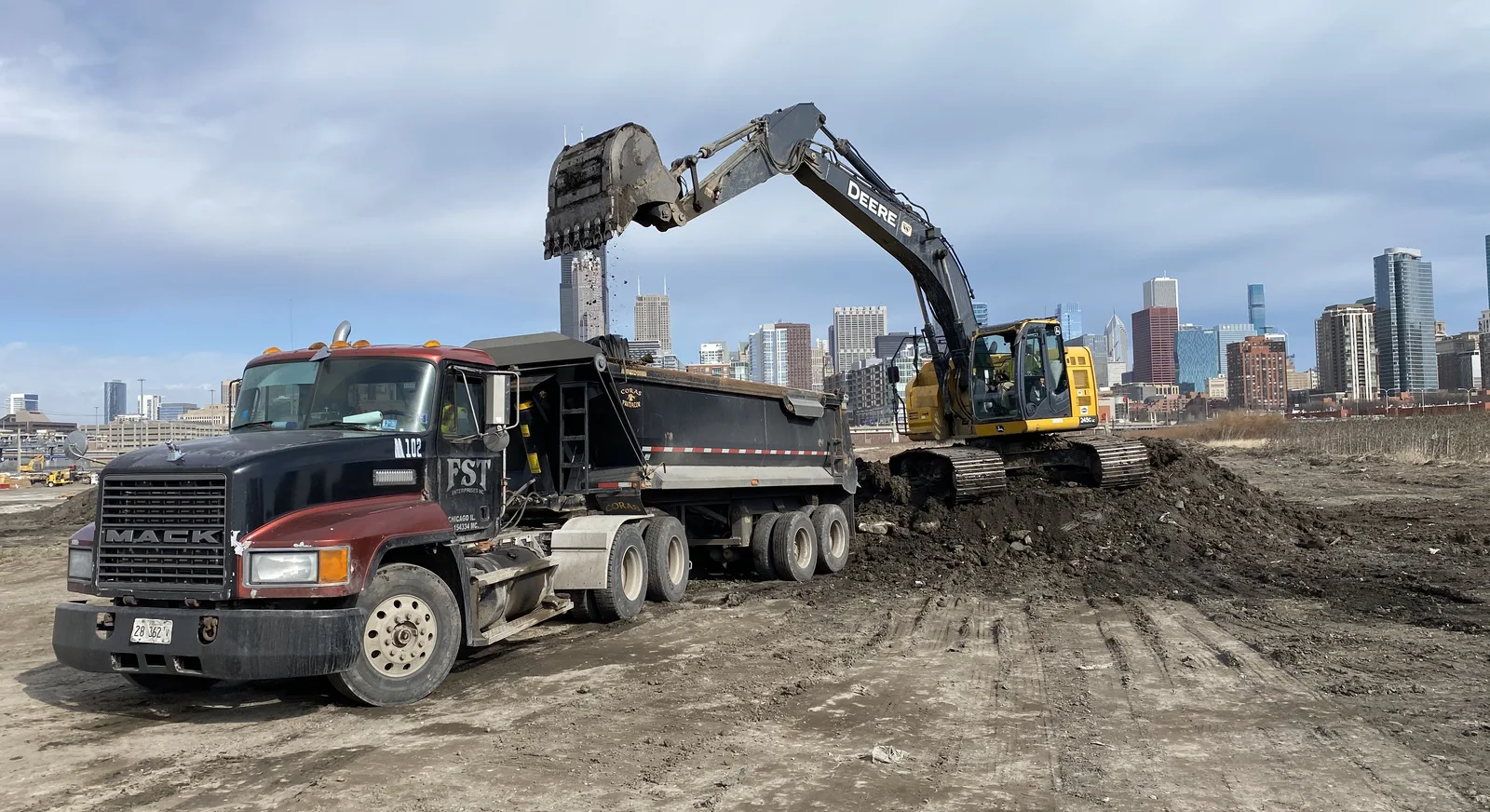
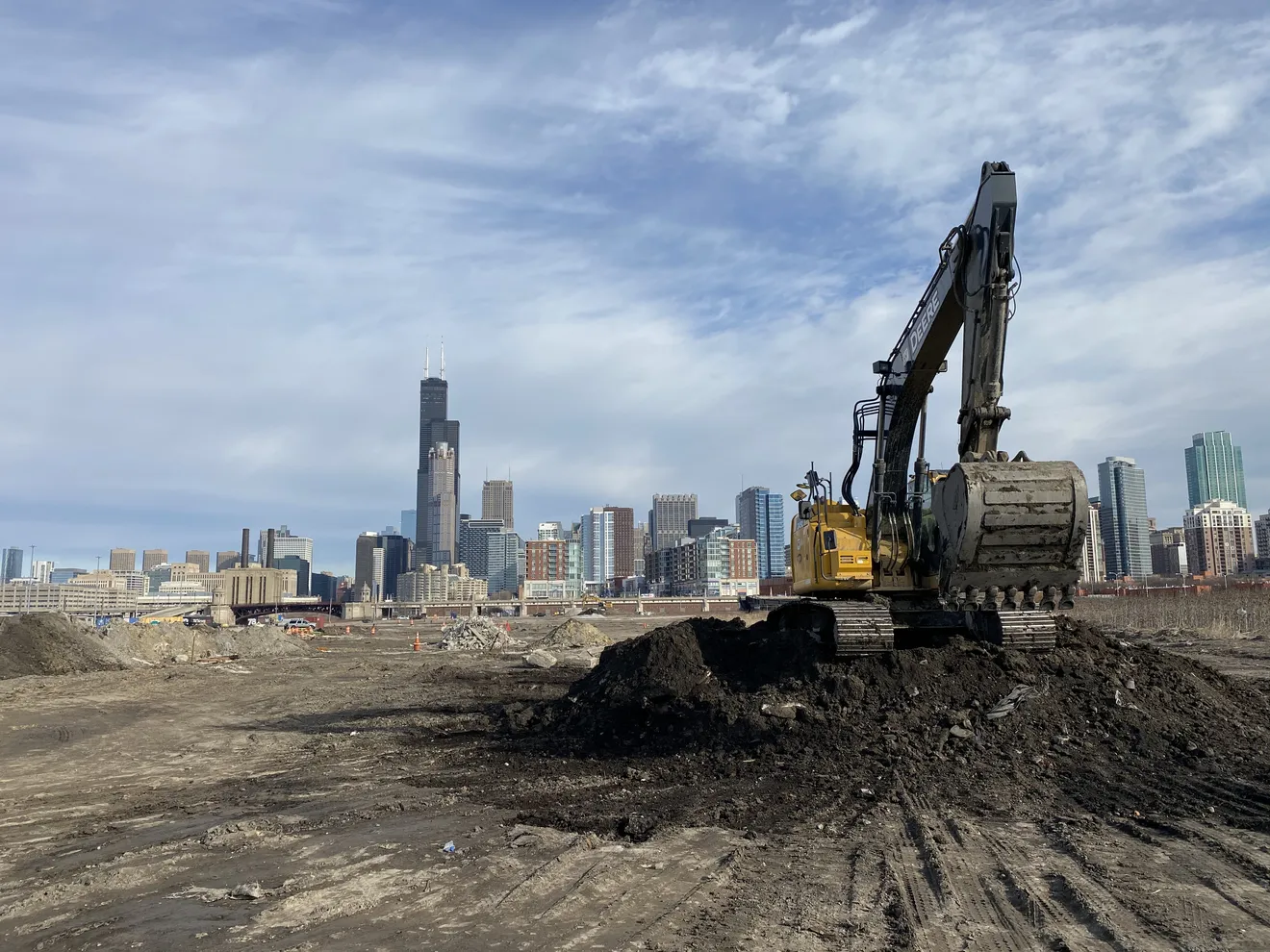
Give us the address or GPS coordinates of your soil stockpile or debris pile. We’ll be out to sample quickly — even inside 24 hours when your project can’t wait.
We collect samples under chain-of-custody, run pH testing and laboratory analysis, and compare the results to the IEPA objectives that decide whether your material qualifies as clean CCDD fill.
Based on the results we complete the right IEPA form — LPC-662, 663, or 667 — certify the material, and can manifest the trucks and arrange hauling to a CCDD fill operation instead of a costlier landfill.
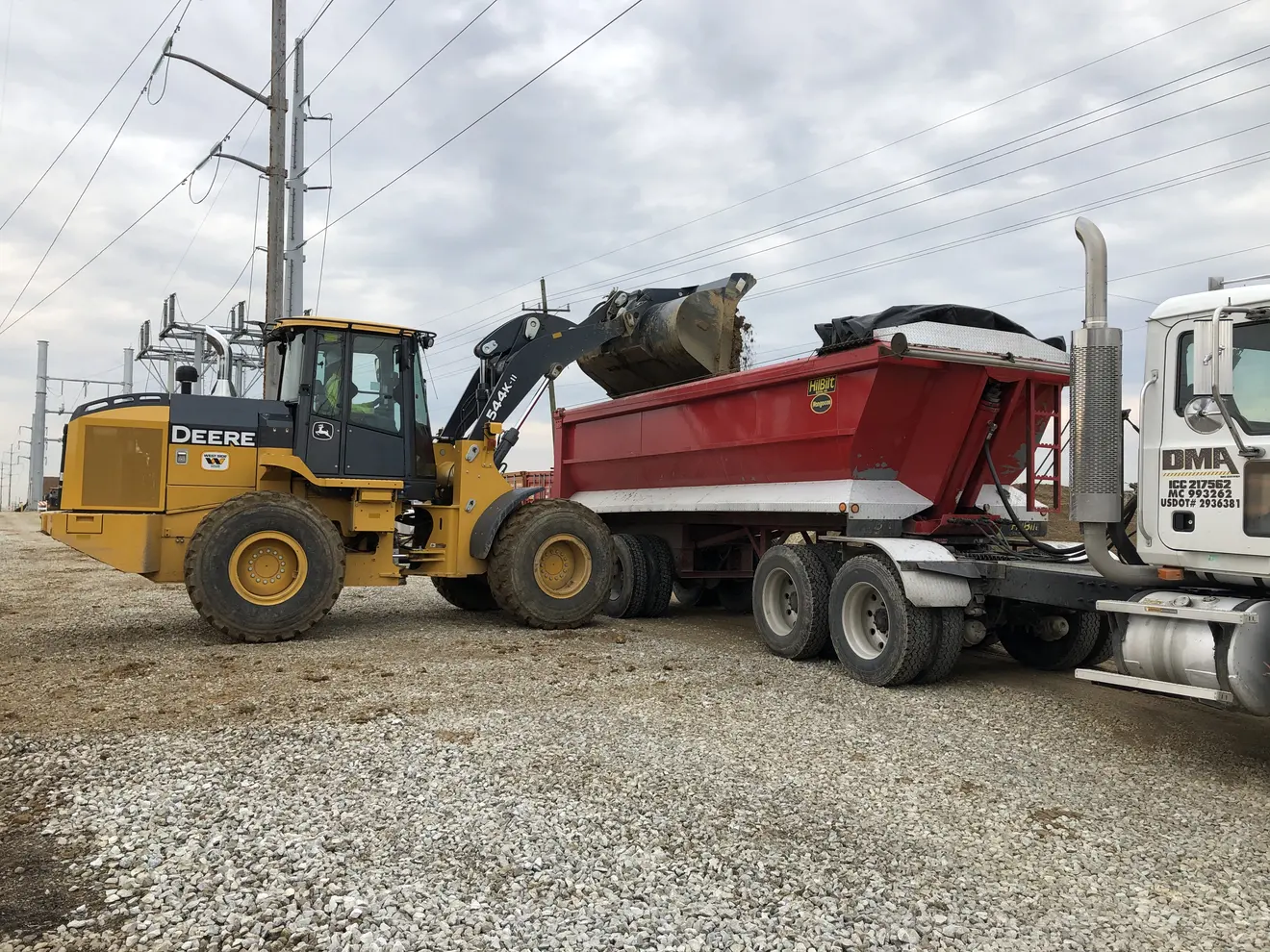
Once your soil is tested, where it can legally go — and what it costs — comes down to certification. Clean material certified for CCDD goes to a low-cost quarry fill operation; material that doesn’t qualify has to go to a Subtitle D landfill.
"We were running up against some deadlines, and they jumped through hoops to get everything completed on time."
"The A3E team did a great job on our Phase 1 report. They were quick, thorough and professional."
"They were able to give me all of the information that I needed. Highly recommend A3 Environmental."
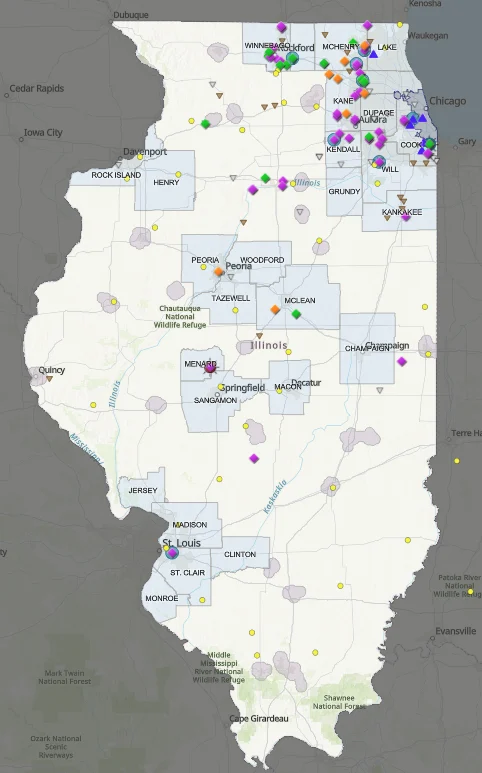
Click on the image for an interactive map to find the closest CCDD facility to your project. The map is complete with names, emails, and phone numbers of these facilities so you can budget and price your projects correctly.
Lab-validated sampling
Small business (WOSB)
Environmental consulting
Google Reviews
CCDD is an Illinois EPA program for uncontaminated construction and demolition debris — broken concrete without protruding metal, brick, rock, stone, and reclaimed asphalt pavement — along with uncontaminated soil mixed in with it. IEPA-permitted CCDD fill operations, most of which are former quarries, accept this clean material as fill at a fraction of what a landfill charges. The catch: before a facility can take your material, a certification has to prove it’s actually clean. That certification is what A3 Environmental delivers.
Anyone moving soil or clean debris off a job site. Government and public-works departments, real estate developers, and construction and demolition contractors all generate excess material that has to go somewhere. If you want that material accepted at a low-cost CCDD fill operation instead of paying landfill rates, it has to be tested and certified first — and on a project moving thousands of cubic yards, the difference is real money.
Which IEPA form you need depends on the source site’s history. For a property that is not potentially impacted, the LPC-662 (“Source Site Certification by Owner or Operator”) is signed by the source-site owner or operator, typically supported by a historical review and pH testing. For a potentially impacted property — a former commercial or industrial use — the LPC-663 (“Uncontaminated Soil Certification by Licensed Professional Engineer or Geologist”) is required and is backed by laboratory analysis compared to the IEPA Maximum Allowable Concentrations (MAC) table. When paint is present on the debris, the LPC-667 (“Painted CCDD Certification”) also applies. A3 Environmental figures out which form your site needs and completes the certification.
All soil brought to a CCDD fill operation — including soil mixed with debris — must be pH-tested and certified within the IEPA standard range of 6.25 to 9.0. The rule doesn’t dictate a specific test method, so any reproducible, generally accepted method is acceptable. For potentially impacted sites, we also run the laboratory analysis that the LPC-663 requires, comparing results to the MAC table. We collect samples under strict chain-of-custody so the data stands up to review.
Send us the address or GPS coordinates of your soil stockpile or debris pile and we’ll be out to sample quickly — even inside 24 hours when a project is time-sensitive. We run the pH and laboratory testing, complete and certify the proper LPC form, and — if you’d like — manifest the trucks and arrange a hauler to move the material to a CCDD fill operation. You get one point of contact from sampling through disposal. A3 Environmental is based in Lisle, Illinois and serves the Midwest, backed by 5,000+ reports and a 4.9★ Google rating since 2015.