4.9 Google
(888) 405-1742

Need a Wetland Permit for Your Project?

Section 404 dredge-and-fill permits with the Army Corps · Section 401 certification with the Illinois EPA · So construction can proceed

Section 404 Permitting · Section 401 Certification · Mitigation Design
Army Corps & Illinois EPA Nationwide & Individual Permits Free, No-Obligation Quote
4.9/5 Google
Permits Secured
5,000+ Reports
Woman-Owned

Get Your Wetland Permit Quote

We'll respond promptly with next steps

Please enter a valid email address

Prefer to talk?

(888) 405-1742
More below
5,000+ Reports
4.9★ Google
N. Illinois & Midwest
Army Corps & Illinois EPA

How It Works

1

Determine What’s Required

Starting from your wetland delineation and the Army Corps’ jurisdictional determination, we identify exactly which approvals your project needs — a Section 404 Nationwide or Individual Permit, Section 401 certification, and any local stormwater or wetland permits.

2

Prepare & Submit

We assemble the permit application — impact drawings, the alternatives analysis, and any required compensatory mitigation design — and submit it to the Army Corps and Illinois EPA, scoped to the least burdensome permit your project qualifies for.

3

Shepherd to Approval

We manage agency review, respond to comments, and coordinate the federal, state, and local approvals so they move together — getting your permit issued so construction can proceed on schedule.
Aerial view of a development corridor near wetlands — the kind of project that needs a Section 404 wetland permit

Where Ecological Permitting Fits

Permitting is the step that turns wetland findings into approval to build. A delineation and jurisdictional determination establish what’s regulated on your site; ecological permitting gets the authorization to impact it; and a threatened & endangered species review runs alongside when protected species are in play.
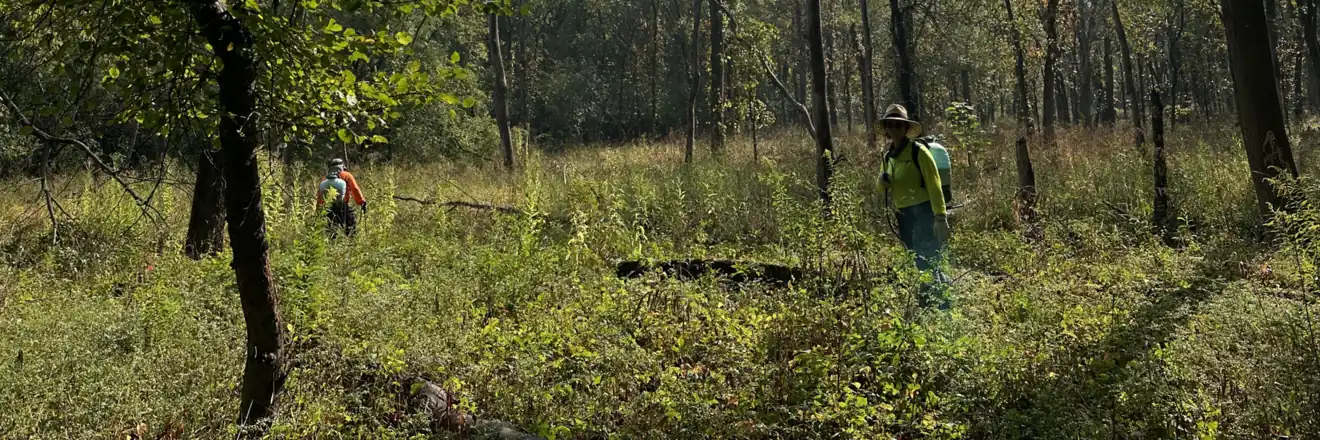
Wetland Delineation
Maps the wetland boundary and, with the Army Corps’ jurisdictional determination, defines what’s regulated.
Comes First
Establishes what needs a permit.
  • Does: Map the wetland boundary
  • Output: Delineation report & JD
  • Feeds: The permit application
Learn More
You are here
Ecological Permitting
Secures the Section 404 / 401 permits to legally impact wetlands — with mitigation design where required.
Contact Us
Free, no-obligation quote.
  • Permits: Section 404 & 401
  • Agencies: Army Corps, Illinois EPA, local
  • Includes: Mitigation design
Get a Quote
Threatened & Endangered Species
Screens for protected species (EcoCAT & IPaC) — a parallel review that can affect what a permit requires.
Alongside
Runs with permitting.
  • Does: EcoCAT & IPaC screening
  • Covers: ESA Section 7 support
  • Best for: Projects near habitat
Learn More
Commercial redevelopment site where a wetland permit may be required before construction

What Our Clients Say

Industrial facility environmental consulting

Credentials That Matter

Accredited Labs

Lab-validated sampling

Woman-Owned

Small business (WOSB)

10+ Years

Environmental consulting

4.9 / 5 Stars

Google Reviews

Industrial development site requiring Clean Water Act permitting before work near regulated waters

Understanding Wetland & Ecological Permitting

If your project will place dredged or fill material into a wetland, stream, or other Water of the United States, federal law requires a permit before you build. The core authorization is a Clean Water Act Section 404 permit from the U.S. Army Corps of Engineers, paired with a Section 401 Water Quality Certification from the Illinois EPA. Getting those approvals — cleanly, and without stalling the project — is what ecological permitting is. A3 Environmental prepares and manages the applications and shepherds them through the agencies so your schedule holds.

Section 404: Nationwide vs. Individual Permits

The Army Corps authorizes wetland impacts two ways. A Nationwide Permit (NWP) is a general permit for categories of activity that cause no more than minimal individual and cumulative impacts — it’s faster, and the Corps reissues the NWP program every five years. An Individual Permit is required when impacts are more than minimal; it goes through a public-interest review and the Section 404(b)(1) Guidelines and takes considerably longer. The right path depends on how much wetland your project affects — and a good consultant designs the project to qualify for the lighter permit wherever possible.

Section 401 and the Agencies Involved

Under Section 401, the state — the Illinois EPA — reviews the federal permit to protect state water quality and can certify, condition, or deny it. Most Nationwide Permits are covered by a programmatic (pre-established) certification; Individual Permits need their own. Beyond the federal and state layers, the Army Corps may also require Rivers and Harbors Act Section 10 authorization for navigable waters, and county stormwater agencies and municipalities in the Chicago region frequently regulate wetlands locally — and can be stricter than the federal program. A3 Environmental coordinates all of it.

Mitigation, and How It All Fits Together

When a permit authorizes wetland impacts, the Corps usually requires compensatory mitigation — restoring or creating wetlands, or buying credits from an approved mitigation bank — to offset the loss, and A3 Environmental designs that into the application. Permitting is the natural next step after a wetland delineation and jurisdictional determination establish what’s regulated, and it runs alongside a threatened & endangered species review when protected species are in play. A3 Environmental handles ecological permitting across Northern Illinois and the Midwest, within roughly a two-hour radius of Naperville — backed by a 4.9★ Google rating since 2015.

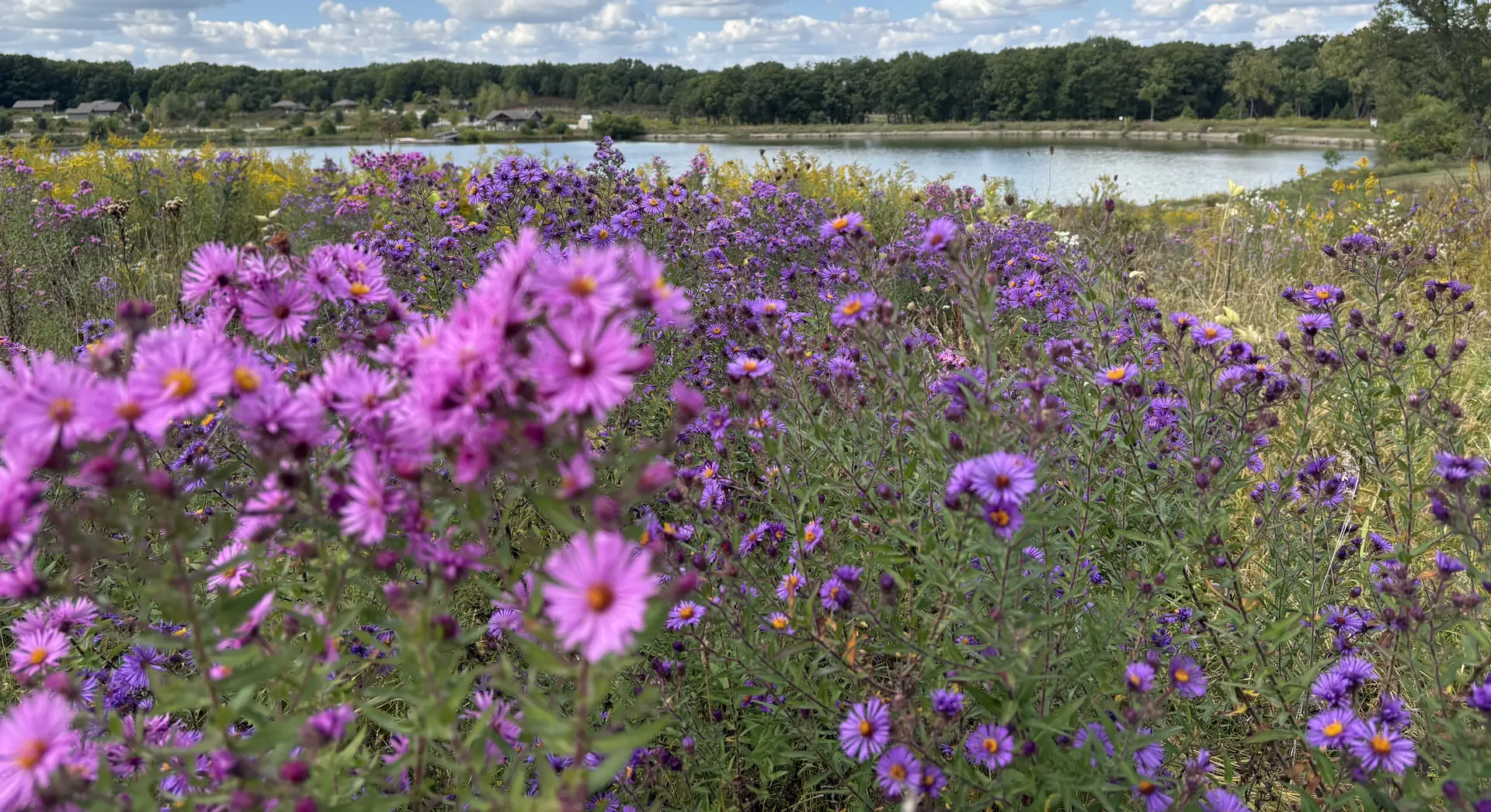
Redevelopment project in Northern Illinois that needed wetland permits to move forward

Frequently Asked Questions

You need a Clean Water Act Section 404 permit whenever your project will discharge dredged or fill material into Waters of the United States — which includes most jurisdictional wetlands, streams, and ponds. Common triggers are grading or filling a wetland, culvert and bridge work, stream crossings, and stormwater outfalls. Whether a permit is required, and which type, follows from the wetland delineation and the Army Corps’ jurisdictional determination for your site.
A Nationwide Permit (NWP) is a general permit the Army Corps issues for categories of activity that cause no more than minimal individual and cumulative impacts; it is faster and is reissued every five years. An Individual Permit is required when impacts are more than minimal — it goes through a public-interest review and the Section 404(b)(1) Guidelines, and takes considerably longer. A3 Environmental scopes your project to the least burdensome permit it qualifies for and prepares the application accordingly.
Section 401 of the Clean Water Act lets the state — the Illinois EPA in Illinois — review and certify, condition, or deny a federal Section 404 permit to protect state water quality. Most projects authorized under a Nationwide Permit are covered by a programmatic (pre-established) Section 401 certification, while an Individual Permit requires its own individual certification. A3 Environmental handles the Section 401 process alongside the Section 404 application so both move together.
The U.S. Army Corps of Engineers issues the federal Section 404 permit and any Rivers and Harbors Act Section 10 authorization for navigable waters; the Illinois EPA issues the Section 401 certification. On top of that, county stormwater agencies and municipalities in the Chicago region often regulate wetlands and stormwater locally, and those agencies can be more stringent than the federal program. A3 Environmental coordinates the federal, state, and local approvals so nothing falls through the cracks.
Often, yes. When a permit authorizes impacts to wetlands, the Army Corps typically requires compensatory mitigation — restoring or creating wetlands on site, or purchasing credits from an approved mitigation bank — to offset the loss. A3 Environmental designs the mitigation approach as part of the permit application and helps you choose the most cost-effective compliant option for your project.
It depends on the permit. A Nationwide Permit verification commonly runs on the order of a couple of months, while an Individual Permit with public review can take many months. Cost scales with the permit type, the size of the impact, and whether mitigation is required. A3 Environmental provides a scoped quote up front — fill out our form or call (888) 405-1742 to get started.
Ask About Wetland Permits