4.9 Google
(888) 405-1742

Worried About Vapor Intrusion? Get a Soil Gas Investigation.

Sub-slab & soil-vapor sampling for VOCs · Screened against EPA OSWER, ASTM E2600 & state TACO levels · Mitigation if needed

Sub-Slab Sampling · Laboratory Analysis · Mitigation Design
VOCs — TCE, PCE & Petroleum Illinois, Wisconsin, Michigan, Indiana & Iowa Custom Quote in 1 Hour
4.9/5 Google
Lab-Validated Results
5,000+ Reports
Woman-Owned

Get Your Soil Gas Quote

Response within 1 hour

Please enter a valid email address

Prefer to talk?

(888) 405-1742
More below
5,000+ Reports
4.9★ Google
Midwest Coverage
EPA & State (TACO) Compliant

How It Works

1

Scope the Sampling

We identify where vapors are most likely to be entering the building and lay out the sampling plan — sub-slab points beneath the slab, soil-vapor probes outside the footprint, and the VOC analyte list. You get a clear, budget-conscious quote before any work begins.

2

Collect the Vapor

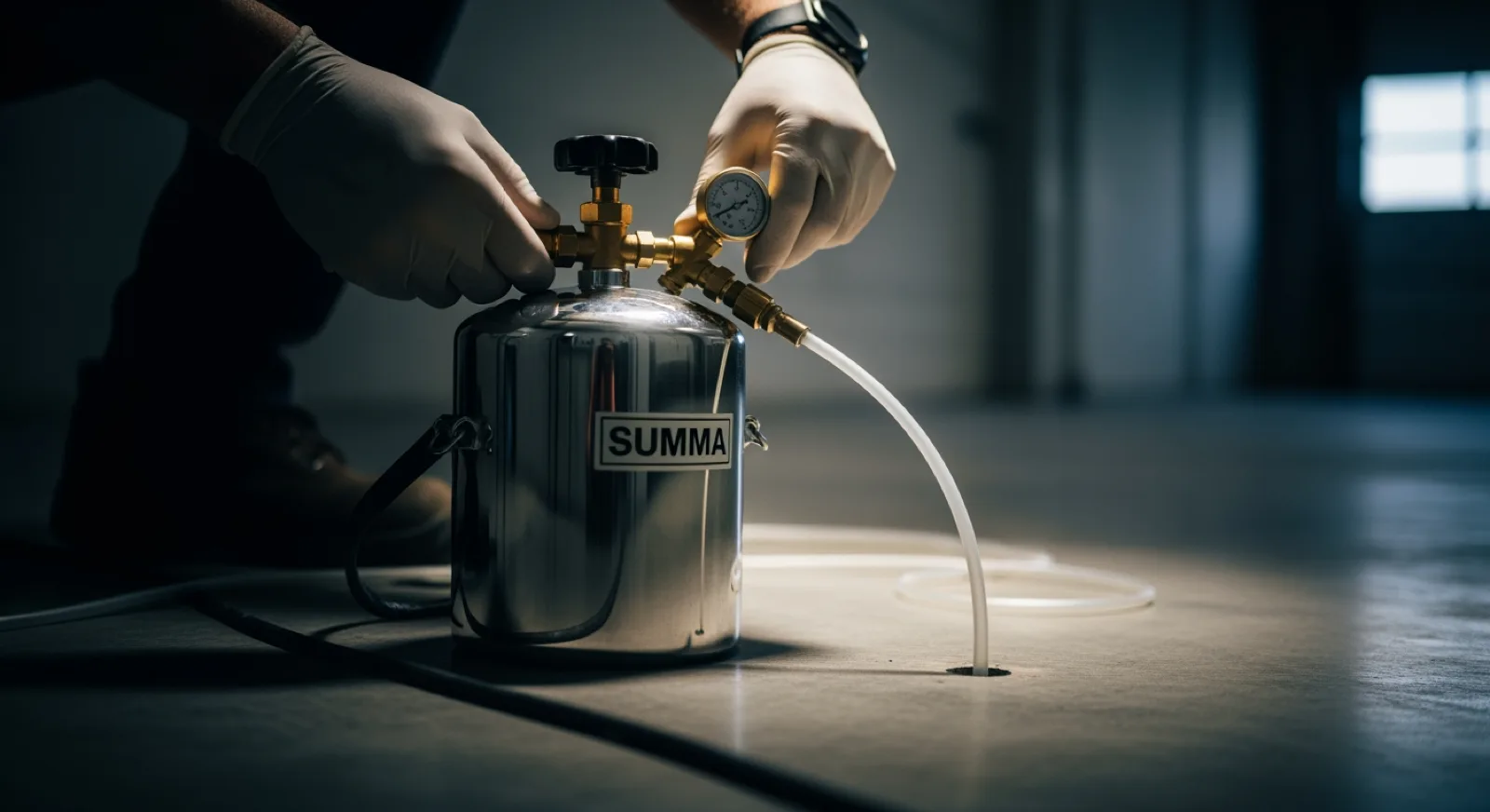
An Environmental Professional drills a small sealed port through the slab, attaches a vacuum (Summa) canister, and draws soil gas under negative pressure for about 30 minutes. The valve is closed and the canister is shipped under chain-of-custody to an accredited laboratory.

3

Screen & Mitigate

Lab results are screened against EPA OSWER, ASTM E2600, and state TACO levels. Your Soil Gas report states clearly whether vapor intrusion is a concern — and if levels are high, we design a passive or active mitigation system tailored to the property.
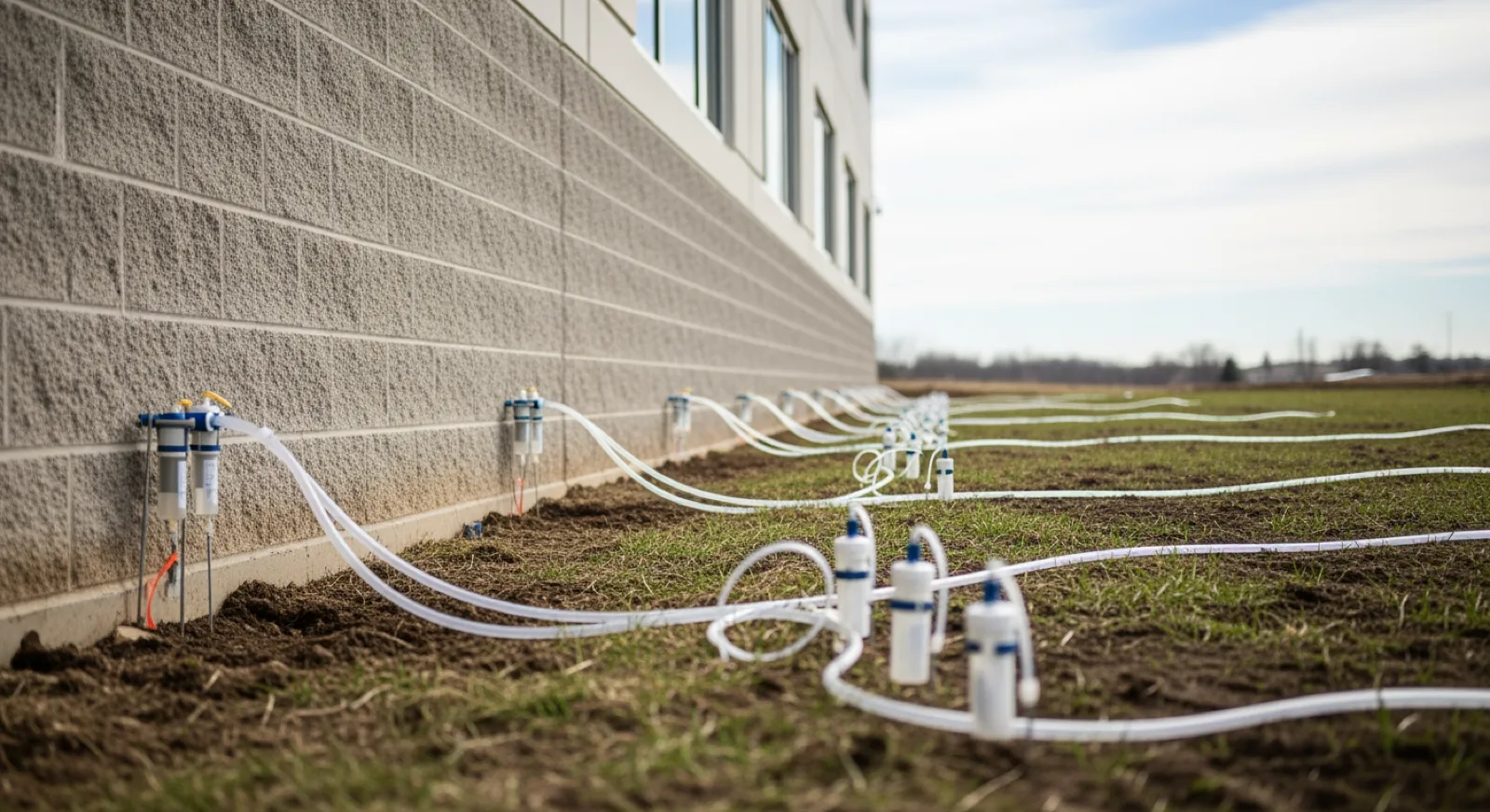
Soil gas and vapor intrusion sampling equipment near a building foundation

Where a Soil Gas Investigation Fits

A Soil Gas Investigation is a focused form of Phase 2 work aimed at the vapor pathway — the way VOCs migrate from contaminated soil or groundwater into the air people breathe indoors. It is triggered when a Phase 1 ESA flags a vapor intrusion concern, or alongside a broader Phase 2 ESA.
Phase 1 ESA
The records-and-site review that comes first — flags the vapor intrusion concern a Soil Gas study then tests.
Step 1
Identifies the concern.
  • Standard: ASTM E1527-21
  • Method: Records, history, site visit — no sampling
  • Finds: Vapor Intrusion / Encroachment Conditions
  • Best for: Lender & SBA due diligence
Learn About Phase 1
You are here
Soil Gas Investigation
Sub-slab and soil-vapor sampling that confirms or rules out a vapor intrusion risk to indoor air.
Vapor
Custom quote — sub-slab & soil-vapor.
  • Tests: VOCs only — TCE, PCE, petroleum
  • Method: Sub-slab & soil-vapor sampling
  • Screened vs: EPA OSWER, ASTM E2600, TACO
  • Includes: Mitigation design if levels are high
Order Now
Phase 2 ESA
The broader subsurface investigation — soil and groundwater sampling when the concern goes beyond vapor.
Broader
Custom quote — scoped to the REC.
  • Standard: ASTM E1903-19
  • Method: Soil borings, groundwater, lab analysis
  • Tests: VOCs, SVOCs, RCRA metals, petroleum
  • Accepted by: Banks & the SBA
Learn About Phase 2
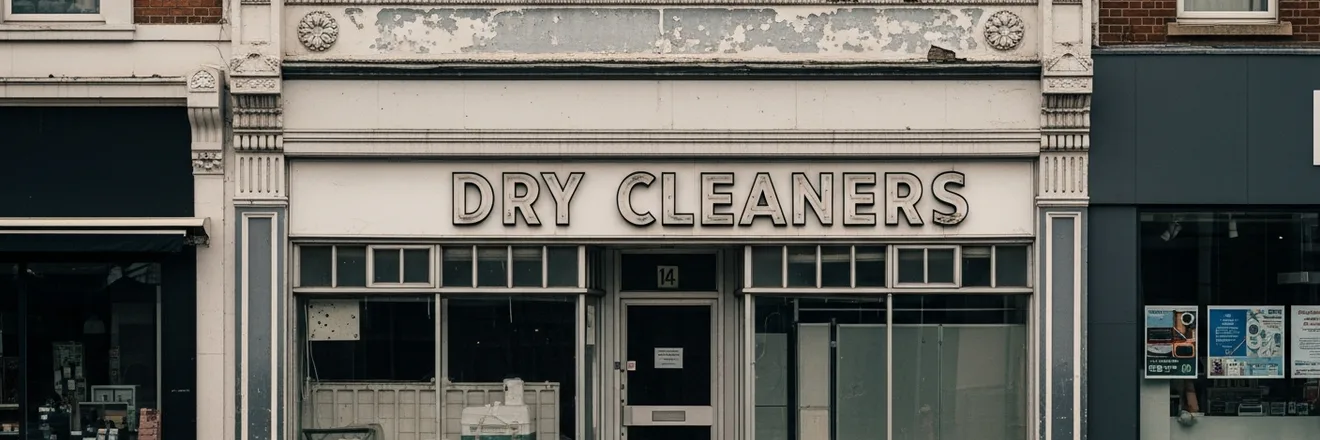
Former dry cleaner storefront — a historic land use flagged in environmental site screening

What Our Clients Say

Industrial facility environmental consulting

Credentials That Matter

Accredited Labs

Lab-validated sampling

Woman-Owned

Small business (WOSB)

10+ Years

Environmental consulting

4.9 / 5 Stars

Google Reviews

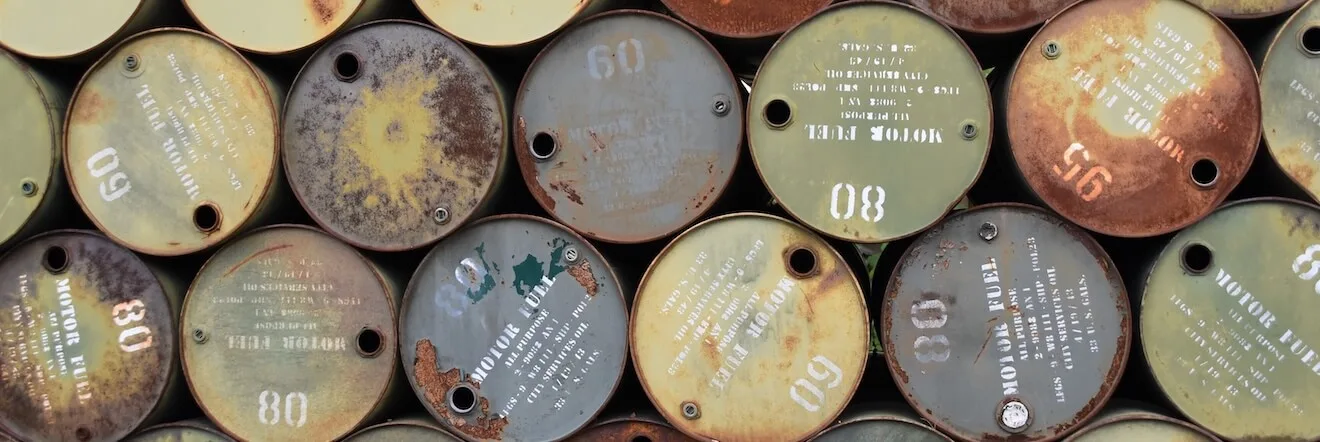
Drums and solvent storage at an industrial property — a source of the VOCs a soil gas investigation tests for

Understanding Soil Gas & Vapor Intrusion

A Soil Gas Investigation assesses vapor intrusion — the migration of volatile organic compounds (VOCs) from contaminated soil or groundwater, upward through porous building foundations, into the indoor air people breathe. Unlike soil or groundwater contamination that stays underground, vapor intrusion is a direct inhalation health risk inside occupied buildings. The investigation answers a single question: are harmful vapors entering the building, and are concentrations above the levels regulators consider safe?

What Triggers a Soil Gas Investigation

You order a Soil Gas Investigation when a Phase 1 ESA flags a Vapor Intrusion Condition (VIC) or Vapor Encroachment Condition (VEC), or when a known VOC-impacted site — a former dry cleaner, a leaking petroleum tank, an industrial solvent user — sits at or near a building. Vapor intrusion became an EPA priority in 2013 and is now part of the ASTM Phase 1 standard (E1527-21), so it increasingly surfaces during routine due diligence. It is a specialized form of Phase 2 work, focused entirely on the vapor pathway.

What the Sampling Tests For

A Soil Gas Investigation tests for VOCs only, because only volatile compounds turn into vapor and migrate — primarily chlorinated solvents such as trichloroethylene (TCE) and tetrachloroethylene (PCE), and petroleum hydrocarbons. Heavy metals do not volatilize, so they are deliberately outside the scope. For sub-slab sampling, our Environmental Professional drills a small sealed port through the slab in a suspected high-concentration area, attaches a vacuum (Summa) canister, and draws soil gas under negative pressure before sending it to an accredited laboratory. Results are screened against the EPA OSWER 2015 Vapor Intrusion Technical Guidance, ASTM E2600, and state screening levels such as Illinois' Tiered Approach to Corrective Action Objectives (TACO) — which sets different thresholds for residential versus commercial buildings.

Mitigation and Our Coverage

If concentrations come back below screening levels, the report serves as proof for lenders, buyers, sellers, or agencies that the property is safe. If levels are high, A3 Environmental designs a mitigation system tailored to the building and your goals — passive measures such as sealing cracks, epoxy-coating slabs, filling floor drains, and installing sub-slab membranes, or active measures such as sub-slab depressurization with fans, mechanically similar to radon mitigation. We treat mitigation design as a deep, probing conversation, not a template. A3 Environmental serves Illinois, Wisconsin, Michigan, Indiana, and Iowa, with deep regulatory fluency across all five state programs and a 4.9★ Google rating since 2015.
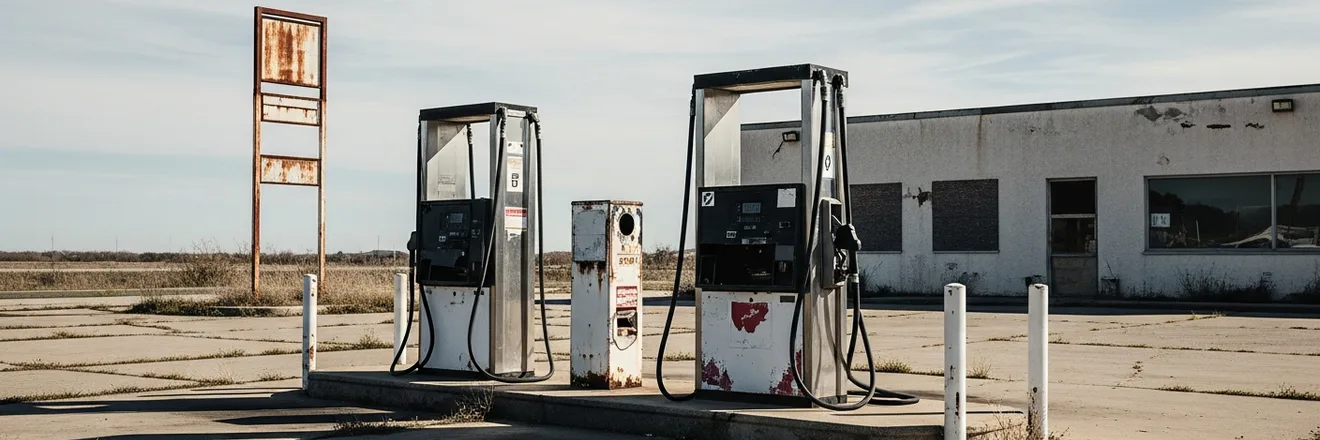
Former gasoline service station — a petroleum VOC source that can drive vapor intrusion

Frequently Asked Questions

Vapor intrusion is the migration of volatile organic compounds (VOCs) from contaminated soil or groundwater, upward through porous building foundations, into occupied indoor spaces — where they create an inhalation health risk. A Soil Gas Investigation confirms or rules out whether vapors are present and whether indoor-air or sub-slab concentrations exceed state screening levels.
A Soil Gas Investigation is triggered when a Phase 1 ESA identifies a Vapor Intrusion Condition (VIC) or Vapor Encroachment Condition (VEC), or when a Phase 2 ESA or a known VOC-impacted site — typically petroleum or chlorinated-solvent contamination — raises a vapor concern. It is a specialized, focused form of Phase 2 investigation aimed at the vapor pathway rather than the soil and groundwater alone.
It tests for volatile organic compounds (VOCs) only, because only volatile compounds migrate as vapor — primarily petroleum hydrocarbons and chlorinated solvents such as trichloroethylene (TCE) and tetrachloroethylene (PCE). Heavy metals do not volatilize, so they are outside the scope of a vapor intrusion assessment.
For sub-slab sampling, an Environmental Professional drills a small sealed port through the building's concrete slab in a suspected high-concentration area, attaches a vacuum (Summa) canister, and draws the soil gas under negative pressure for roughly 30 minutes before closing the valve and shipping the canister to an accredited laboratory. Soil-vapor probes are used outside the building footprint.
Results are screened against vapor intrusion guidance including the EPA OSWER 2015 Vapor Intrusion Technical Guidance and ASTM E2600, and against state-specific screening levels. In Illinois that is the Tiered Approach to Corrective Action Objectives (TACO), which sets different thresholds for residential versus commercial properties.
If concentrations exceed screening levels, A3 Environmental designs a mitigation system tailored to the property — passive measures such as sealing cracks, epoxy-coating slabs, and installing sub-slab membranes, or active measures such as sub-slab depressurization using fans (mechanically similar to radon mitigation). We start with your goals before recommending an approach.
Ask About Soil Gas