4.9 Google
Illinois Site Remediation Program (SRP) · Investigate, remediate & earn your IEPA NFR letter · Make the property clean, sellable & financeable
First we find the problem: where the contamination is, what type it is, and at what concentrations — in soil, groundwater, or both. This defines the extent of the release and sets up an IEPA-approved path to closure. Much of this data can be collected during the Phase 2 ESA to save time and cost.
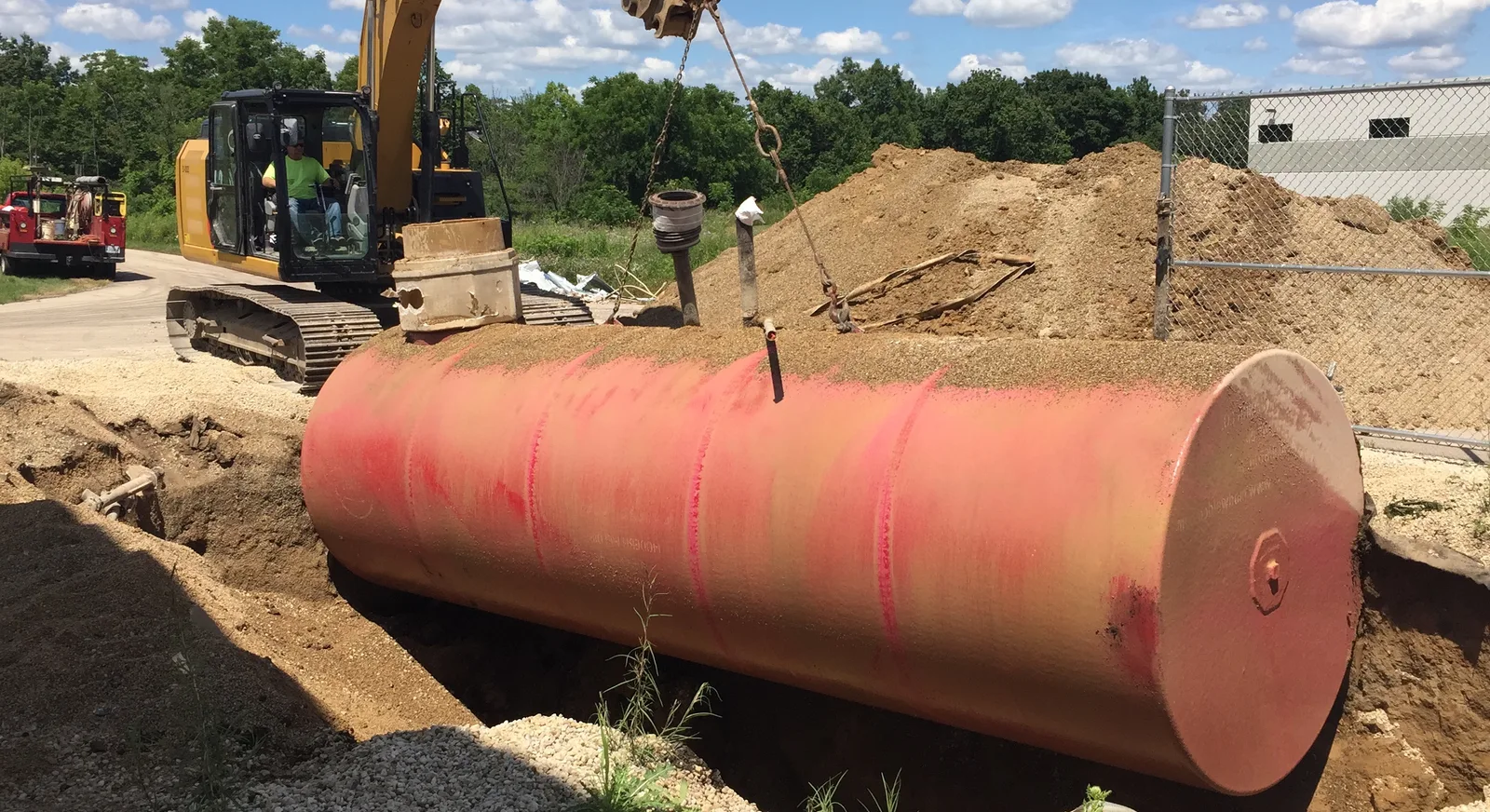
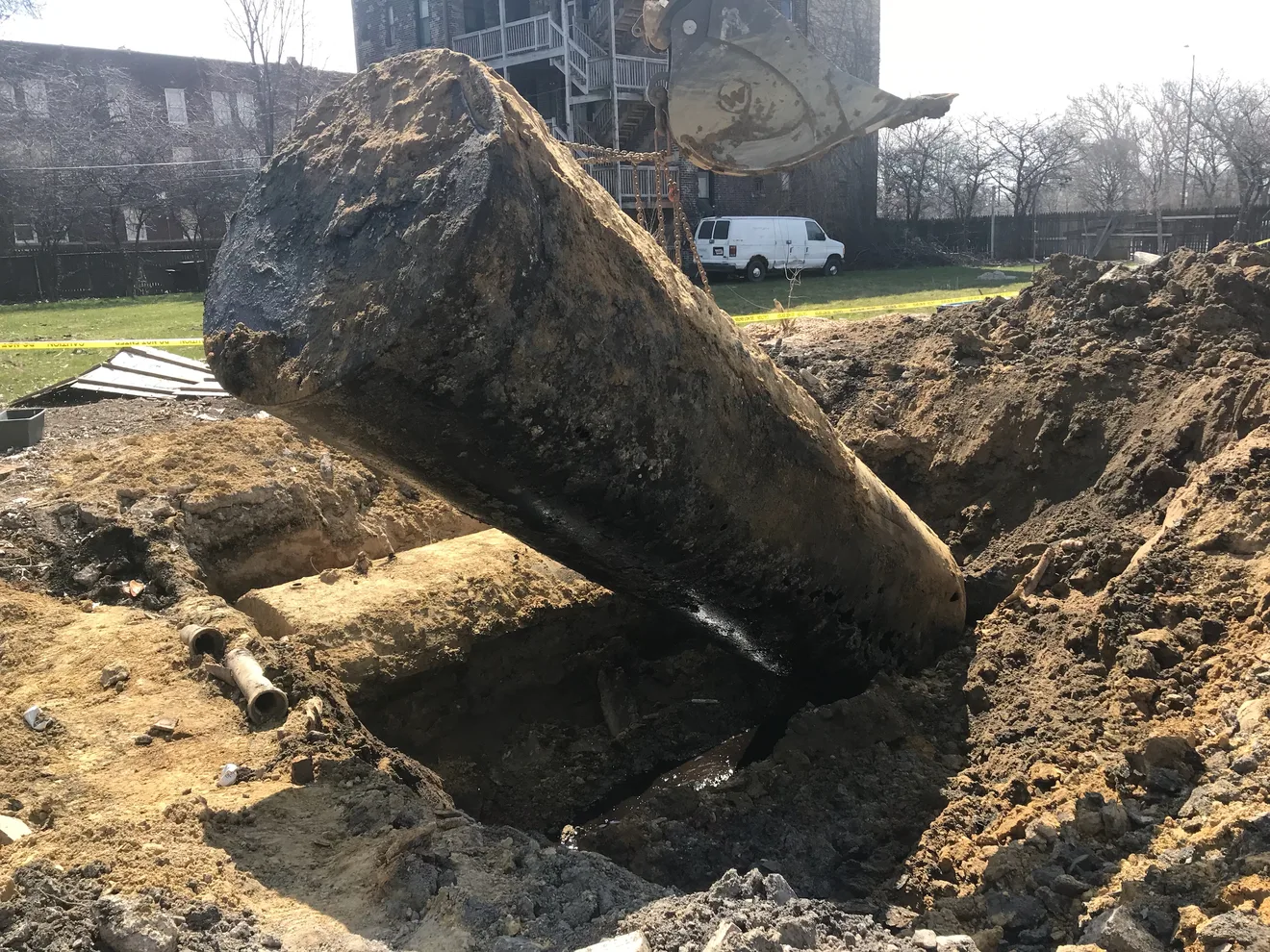
Next we execute an Illinois EPA–approved remedial plan — which may mean digging and hauling contaminated soil to a landfill, capping with an impervious material, or installing engineered barriers. Where active cleanup isn't warranted, institutional controls can meet the objectives instead.
Finally the IEPA issues your No Further Remediation (NFR) letter — confirming the property's cleanup objectives are met and that conditions don't present a significant risk. The NFR ends the SRP process and signals to buyers and lenders that the property is clean.
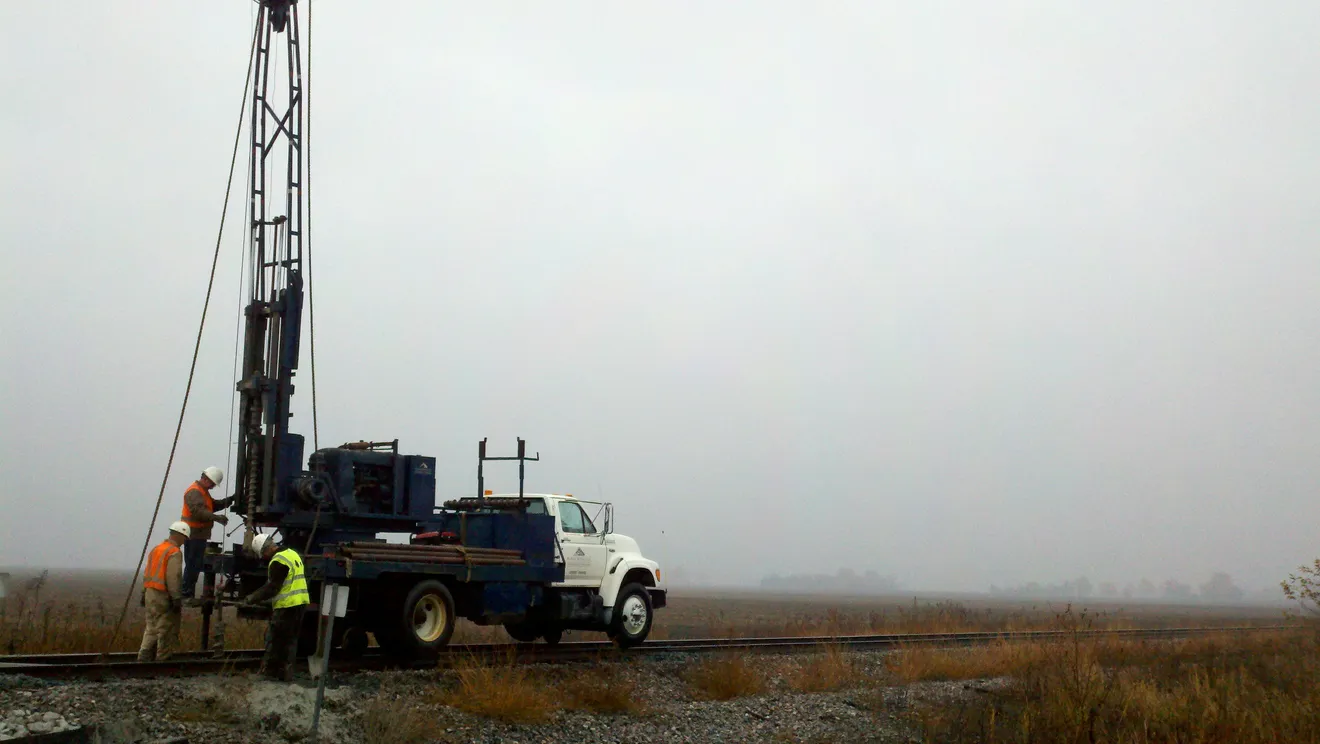
The Site Remediation Program follows the investigation a Phase 2 ESA starts, carrying a property all the way to a No Further Remediation letter. Alongside it, the LUST program is Illinois' other main cleanup path — SRP for voluntary, broad-contamination cleanups and LUST for petroleum releases from registered underground tanks.
"We were running up against some deadlines, and they jumped through hoops to get everything completed on time."
"The A3E team did a great job on our Phase 1 report. They were quick, thorough and professional."
"They were able to give me all of the information that I needed. Highly recommend A3 Environmental."
NFR letters secured
Small business (WOSB)
Environmental consulting
Google Reviews
The Site Remediation Program (SRP) is an Illinois EPA program through which a landowner can voluntarily investigate and, where warranted, remediate their property to earn a No Further Remediation (NFR) letter. The IEPA issues that letter to Remediation Applicants who demonstrate — through investigation and, when necessary, remedial action — that conditions on the property do not present a significant risk to human health or the environment. It runs in three phases: investigation, remediation, and the NFR letter that closes the case. A3 Environmental serves Illinois property owners and works throughout the Midwest.
The SRP follows a clear sequence. Investigation comes first — finding where the contamination is, what type it is, and at what concentrations, in soil, groundwater, or both. Remediation follows, executing an IEPA-approved plan: digging and hauling contaminated soil to a landfill, capping with an impervious material, installing engineered barriers, or another approved method. Finally the NFR letter — the IEPA's confirmation that cleanup objectives are met — ends the SRP process.
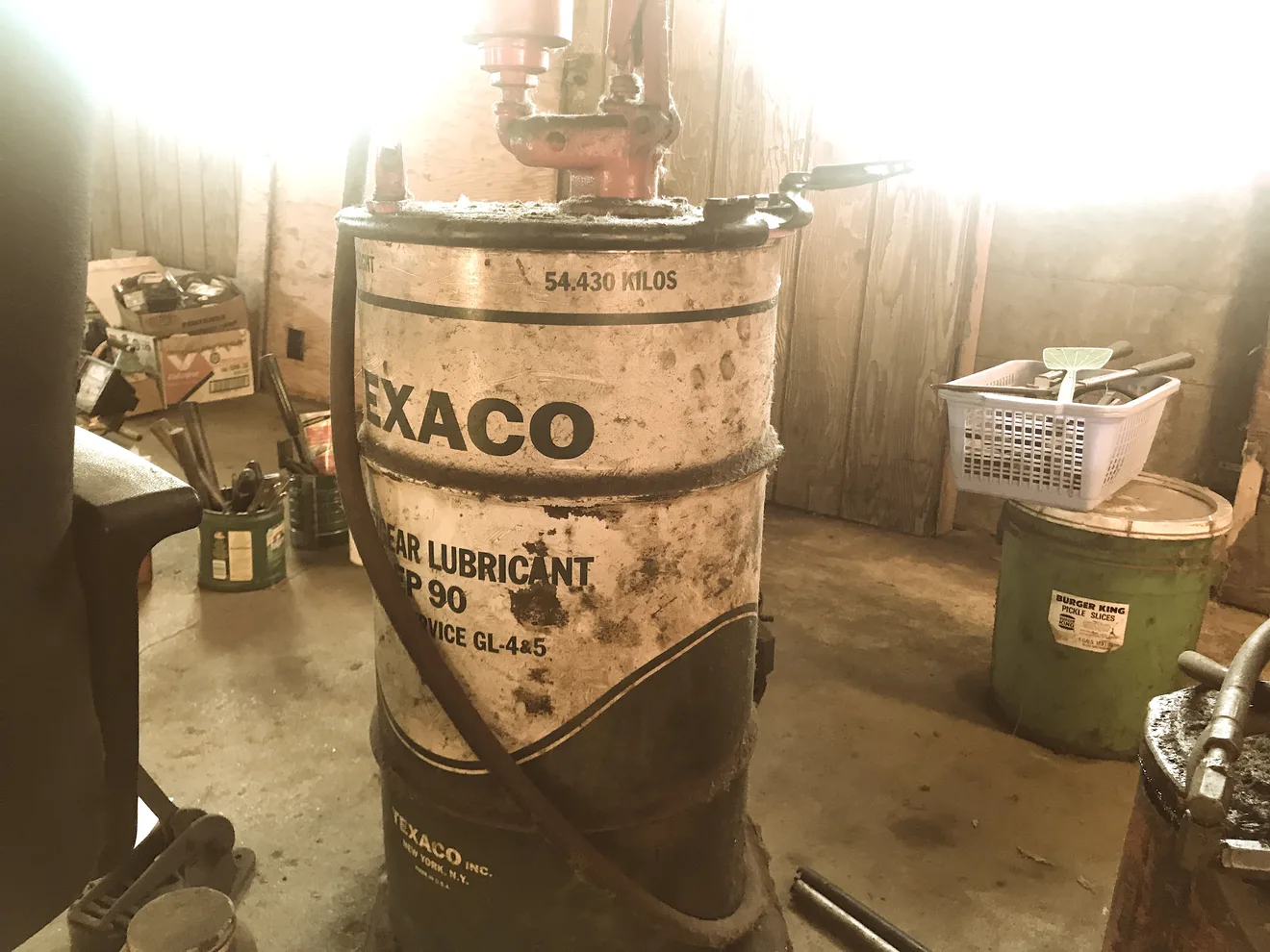
Illinois runs two principal cleanup programs, and the distinction is simply about the source of the contamination. The SRP is voluntary and owner-funded — the owner pays for the cleanup, no state budget covers it — and it covers a broad range of contamination. The LUST program (Leaking Underground Storage Tank) is for petroleum releases from registered underground storage tanks and has its own program and dedicated Fund. A3 Environmental performs both kinds of work; if your site involves a registered petroleum tank, the LUST program may be the right fit, and you can learn about UST/LUST cleanups here. In states outside Illinois, the SRP's voluntary analog is called a Voluntary Action Program (VAP) or Voluntary Cleanup Program (VCP).
Without an NFR letter, some properties are effectively un-financeable or treated as blighted — a lender or buyer has no assurance the site was cleaned to state standards. The NFR letter is that assurance: it signals that the property was investigated and remediated to IEPA standards, in plain terms that the property is clean. That protection is what keeps a sale or a financing deal alive, which is why owners pursue the SRP even when participation is voluntary.
The IEPA charges an application fee plus hourly review and project-management time — commonly from about $2,500 to over $20,000 of state cost depending on complexity. Environmental consultants also bill hourly, and investigation and laboratory costs scale with the size of the contaminant plume and the site geology. A common ballpark total lands around $20,000. The SRP budget is stand-alone: a Phase 1 ESA (about $2,000) and a Phase 2 ESA (about $4,000 to $11,000) typically precede it. On timeline, the fastest realistic completion is roughly 6 months, a typical project takes a little over a year to reach the NFR, and complex sites can take longer. The two biggest factors are case complexity and the assigned IEPA caseworker's experience and workload — understaffing can slow a case down.
There are two forms of NFR. A Comprehensive NFR covers all regulated contaminants — the fuller form of relief, closer to a clean bill of health for the property. A Focused NFR covers only specific contamination; it lowers laboratory cost but does not remove all liability, because contaminants outside the focused scope are not addressed. Which one fits depends on your goals for the property and your tolerance for residual liability.
Active cleanup is not always the most cost-effective route. Beyond digging and hauling or capping, the SRP allows engineered barriers — a parking lot, clean-soil cover, grout wall, or a building placed over the contamination — to break the exposure pathway. Institutional and land-use controls can also meet objectives: a Highway Authority Agreement, deed restrictions weighed against TACO (Tiered Approach to Corrective Action Objectives) cleanup levels, and groundwater use restrictions such as a municipal groundwater ordinance. The best way to keep costs down is to hire an experienced consultant who knows the IEPA caseworkers and their expectations — and who can collect SRP data during the Phase 2 ESA. A3 Environmental brings that experience, backed by a 4.9★ Google rating since 2015.