4.9 Google
OSFM-permitted tank removal & closure · If a leak is found, full IEPA LUST cleanup to a No Further Remediation (NFR) letter in Illinois
We'll respond promptly with next steps
Prefer to talk?
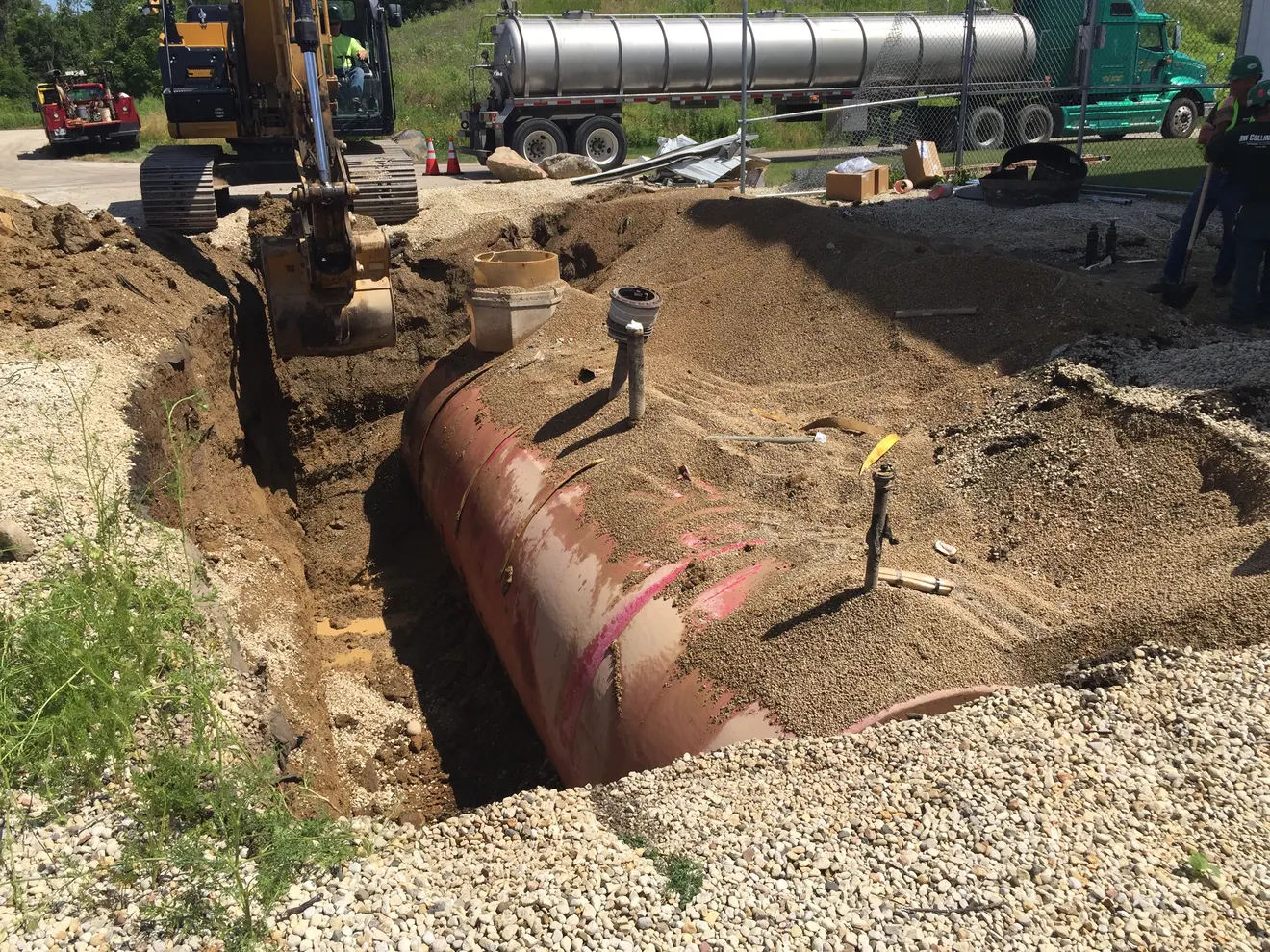
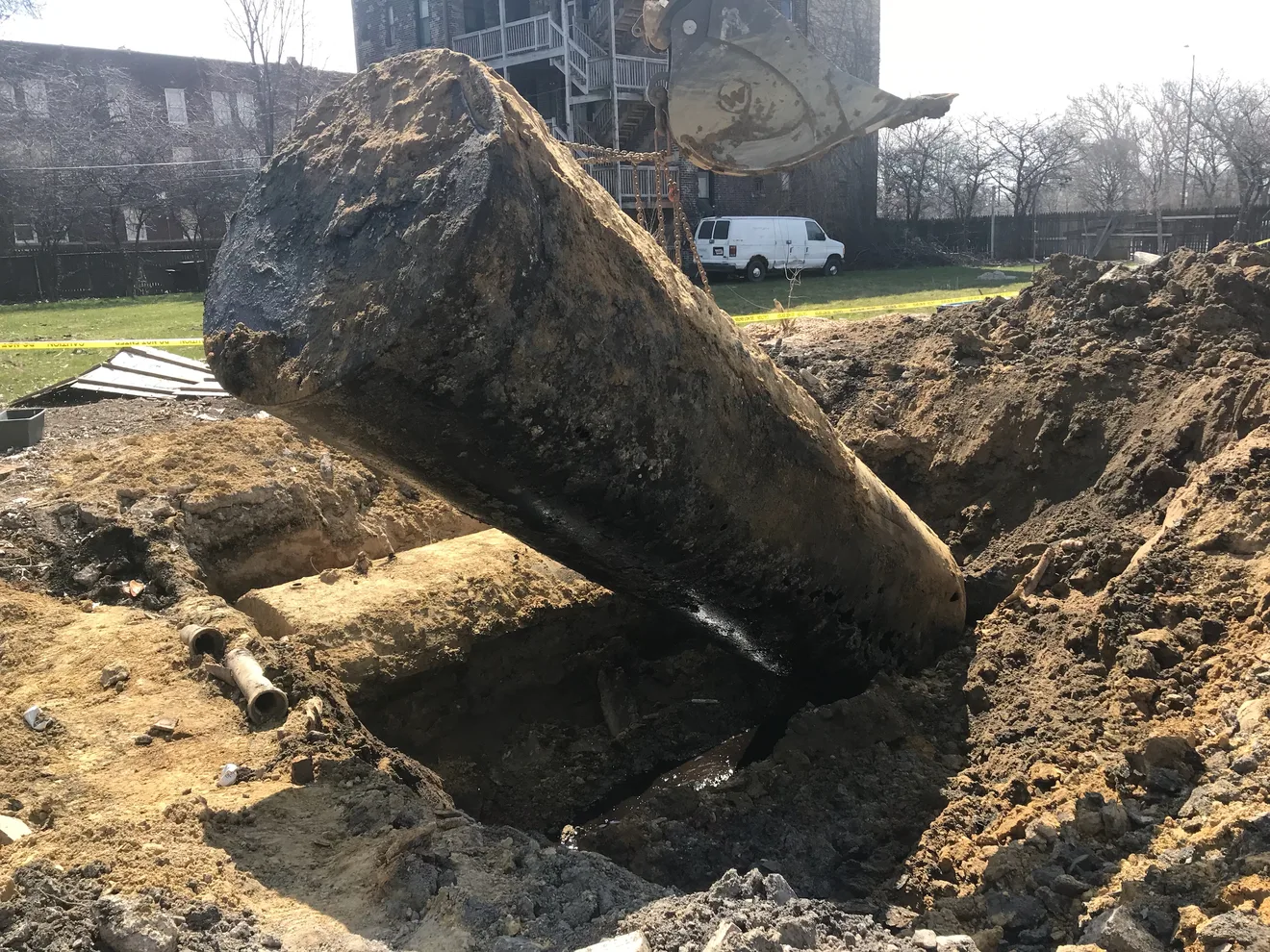
(888) 405-1742We secure the Illinois Office of the State Fire Marshal (OSFM) permit and then pull the tank — or close it in place where removal is not practical. OSFM regulates the tank itself: the permits to install, repair, upgrade, close, or remove a UST all run through them.
With the tank out, we sample the soil and groundwater in the excavation to determine whether the tank leaked. If no release is found, the closure is documented and the project is done. If a petroleum release is confirmed, the site enters the Illinois EPA (IEPA) Leaking UST (LUST) program.
We carry out the corrective action the release classification requires, handle the LUST Fund reimbursement claims, and pursue the No Further Remediation (NFR) letter from IEPA — the formal sign-off that the site has met its cleanup objectives and no further work is required.
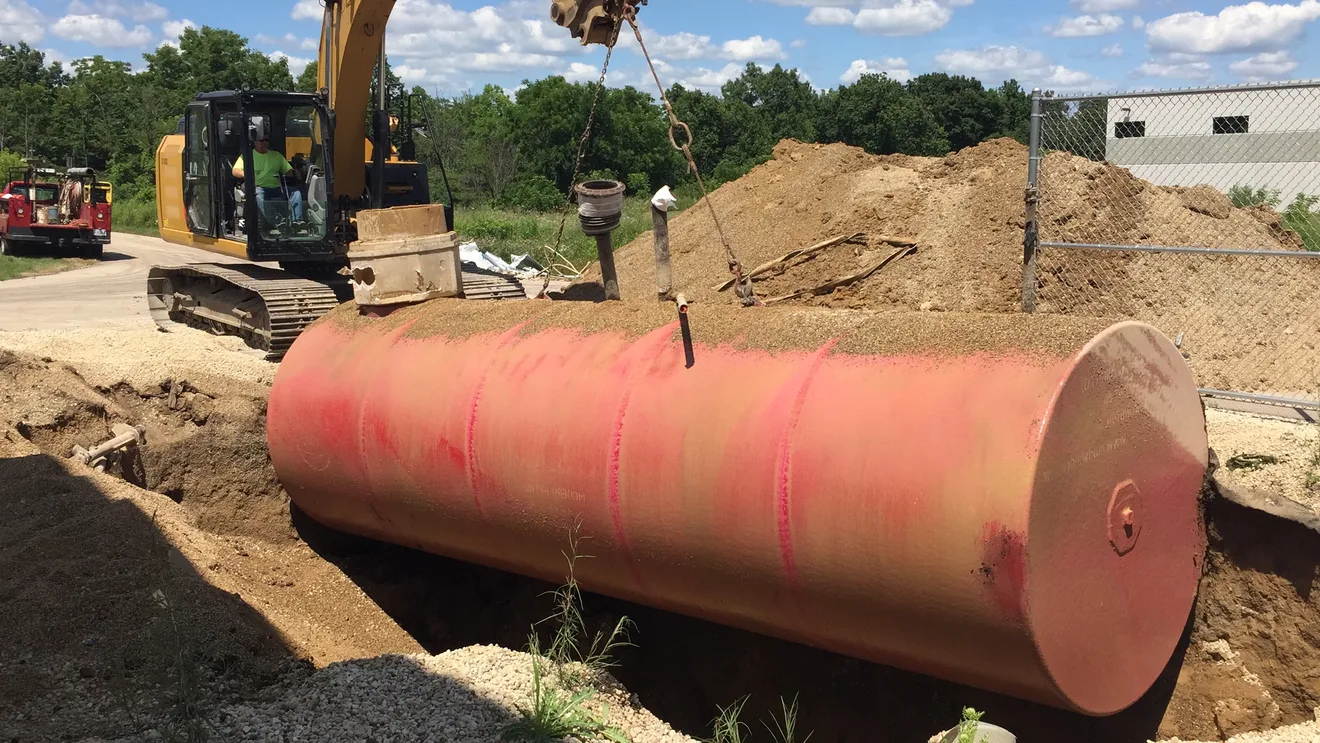
Pulling a tank can turn up a petroleum release, which puts the site into the Illinois EPA LUST program. LUST (for petroleum tanks) and the voluntary Site Remediation Program, or SRP (for broader, non-tank contamination), are Illinois' two main cleanup paths — and if sampling around the tank is what you really need, a focused Phase 2 ESA may be the right starting point.
"We were running up against some deadlines, and they jumped through hoops to get everything completed on time."
"The A3E team did a great job on our Phase 1 report. They were quick, thorough and professional."
"They were able to give me all of the information that I needed. Highly recommend A3 Environmental."
Tank & LUST programs
Small business (WOSB)
Environmental consulting
Google Reviews
Taking an underground storage tank (UST) out of the ground in Illinois runs through two agencies, and it helps to know which one does what. The Office of the State Fire Marshal (OSFM) regulates the tank itself — it issues the permits to install, repair, upgrade, close, or remove a UST. The Illinois EPA (IEPA) only enters the picture if the tank leaked: it runs the Leaking UST (LUST) program that governs the investigation and cleanup, and it issues the No Further Remediation (NFR) letter once the site meets its cleanup objectives. A3 Environmental handles both ends — the OSFM-permitted removal or closure, and the IEPA LUST corrective action if a release is found.
UST removal and closure is for owners of active or former gas stations, properties with old heating-oil or fuel tanks, auto dealerships and repair shops, and former fueling sites. It also comes up in real-estate deals: buyers and sellers want an in-ground tank — and any release beneath it — resolved before a property changes hands, because the tank is a liability a lender or buyer will not want to inherit. Whatever the trigger, the physical removal or closure-in-place requires an OSFM permit, and the excavation gets sampled to find out whether the tank leaked.
If a petroleum release is confirmed, Illinois' LUST Fund helps owners and operators pay for the cleanup. Reimbursement is capped at $1,500,000 per occurrence, minus a deductible. The deductible ranges from $5,000 to $100,000, depending on when the tanks were registered and when the release was reported. The Fund pays for site investigation, site cleanup, laboratory services, and engineering oversight. It does not pay for planned tank removal, legal fees, tank upgrade costs, or any work performed before the release was reported — which is one reason prompt reporting matters. To be eligible, you must have reported a petroleum release and registered the tanks with OSFM, and an OSFM eligibility letter must accompany your IEPA Fund payment application. OSFM determines both eligibility and the deductible; IEPA reviews the Fund budgets and reimbursement claims.
When a release is found, the clock starts. If free product is present, a Free Product Removal Report is due within 45 days of confirming it. The release is classified by priority — for example, Low Priority or High Priority — which sets the remediation and monitoring the site requires. Once that work is complete, an NFR can be requested, and the IEPA NFR letter documents that no further cleanup is required. A3 Environmental carries the project from the first sample through the LUST Fund claims to the NFR, serving Illinois, Wisconsin, Michigan, Indiana, and Iowa — backed by a 4.9★ Google rating since 2015.