4.9 Google
A fast, $950 desktop review of eight government GIS databases · No site visit · A clear answer before you buy or build
You send us the property address or parcel — no site visit needed. Our scientists locate it precisely and pull eight government GIS data sources, including the U.S. Fish & Wildlife National Wetland Inventory, the NRCS Web Soil Survey, FEMA floodplain maps, USGS topographic maps, and current aerial imagery.
We overlay the data to see whether the property is a known or likely wetland, floodplain, or floodway, and we review antecedent precipitation to judge whether recent conditions were wet, normal, or dry — the context that tells us how to read the mapped indicators.
You receive a concise screen report stating whether wetlands are a likely concern, with the maps and data behind it — and a clear recommendation: proceed with confidence, or move to a field Wetland Confirmation. A fast, $950 answer before you commit.
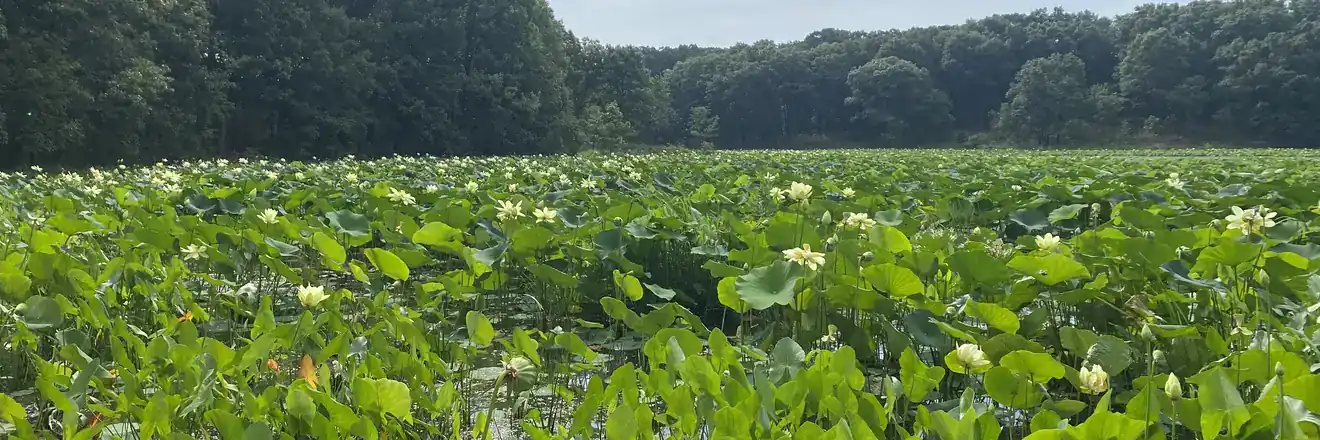
Wetland due diligence runs in sequence — each step escalates only if the one before it warrants it. A desktop Screen flags possible wetlands anywhere in the lower 48; a Confirmation, Delineation, and Jurisdictional Determination are field-based and serve Northern Illinois and the Midwest.
"We were running up against some deadlines, and they jumped through hoops to get everything completed on time."
"The A3E team did a great job on our Phase 1 report. They were quick, thorough and professional."
"They were able to give me all of the information that I needed. Highly recommend A3 Environmental."
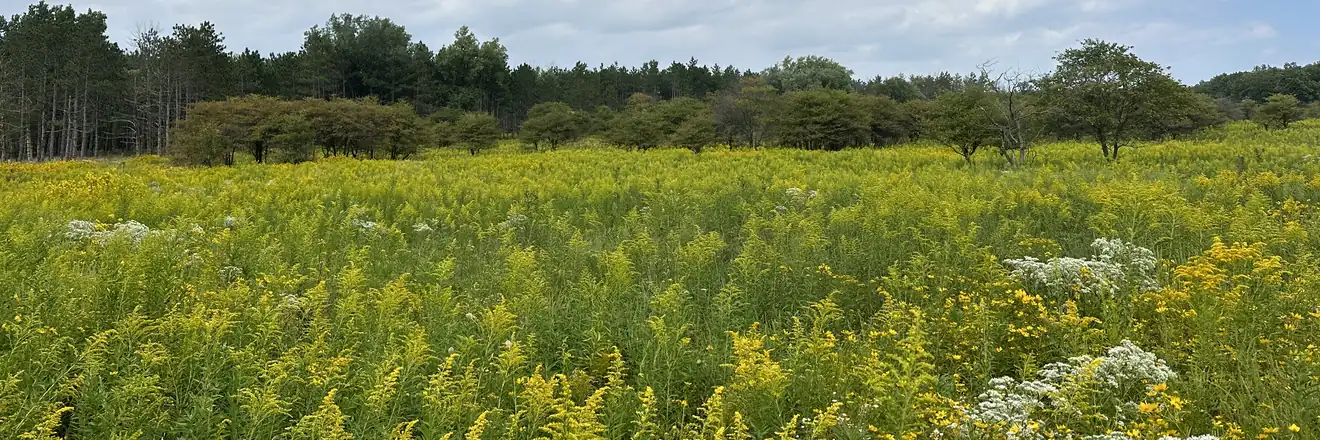
Authoritative federal sources
Small business (WOSB)
Environmental consulting
Google Reviews
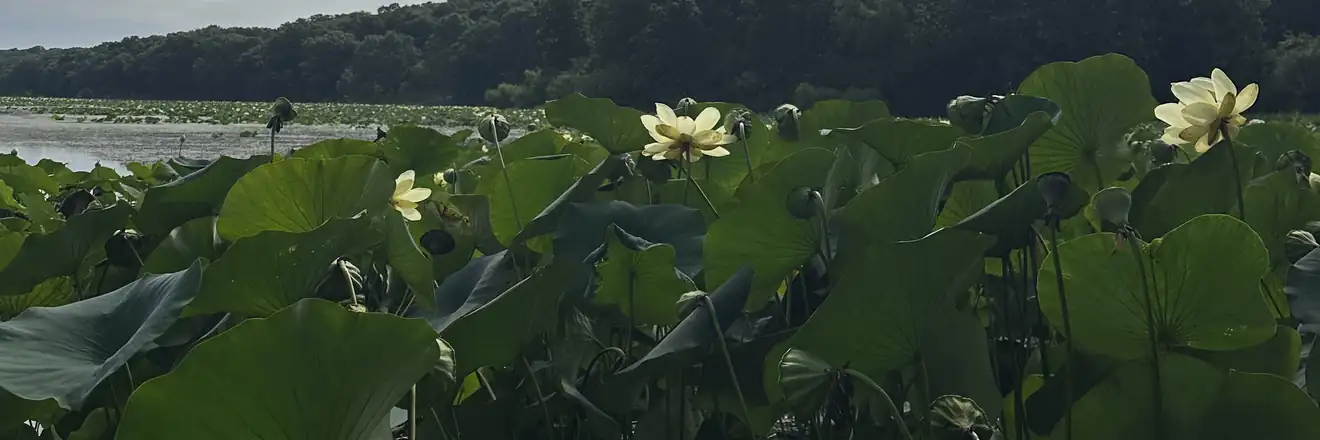
A wetland screen is the fast, affordable first step in wetland due diligence. It is a desktop review — performed entirely from government data, with no site visit — that tells a buyer or developer whether wetlands are a likely concern on a property before they commit time and money to a field study. For a $950 flat fee, A3 Environmental's scientists determine whether the property is a known or likely wetland, floodplain, or floodway, and recommend whether to proceed. Because nothing is sampled on the ground, a screen cannot prove wetlands are present or absent — but it answers the threshold question quickly and inexpensively.
Our scientists pull and overlay eight government GIS data sources, including the U.S. Fish & Wildlife Service National Wetland Inventory, the NRCS Web Soil Survey, FEMA floodplain maps, USGS topographic maps, and current aerial imagery. We also review antecedent precipitation records to judge whether recent conditions were wet, normal, or dry — important context, because a site can look very different on imagery taken after a drought than after a wet spring. Together these tell us whether the property carries the hallmarks of wetlands, floodplains, or floodways.
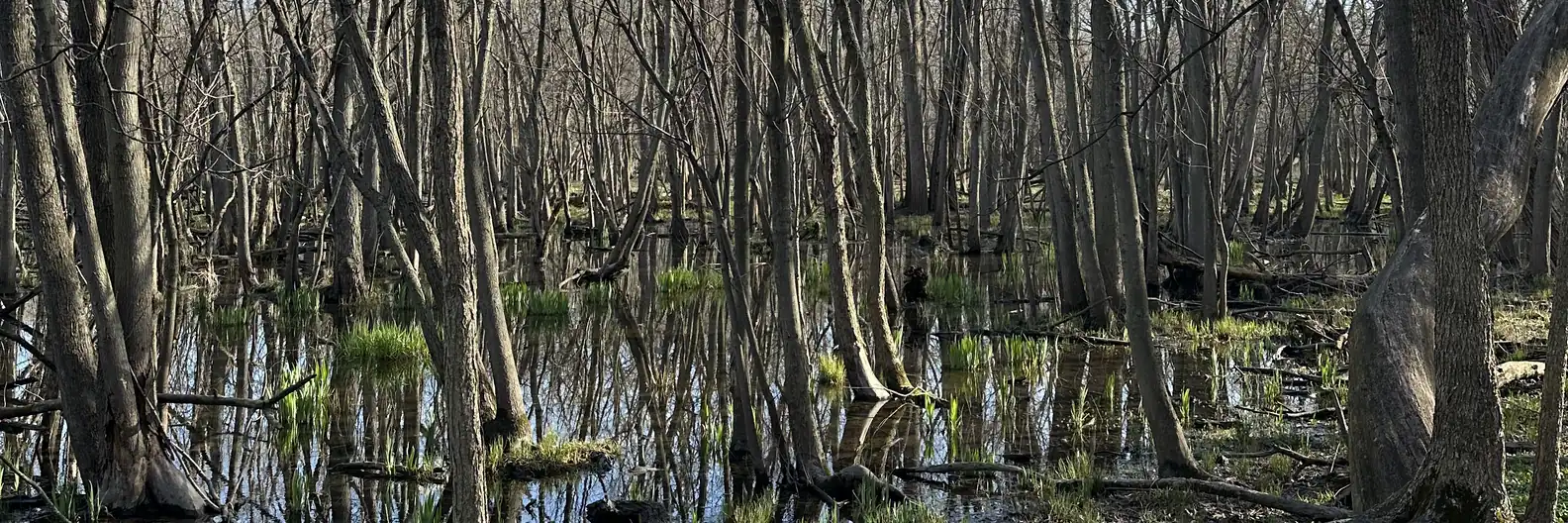
A wetland is defined by three parameters, established by the 1987 USACE Wetlands Delineation Manual and its regional supplements: hydrophytic (water-loving) vegetation, wetland hydrology, and hydric soils. All three must be present — if any one is absent, the area is not a wetland. A desktop screen looks for indicators of these conditions in the mapped data, but only a field visit can confirm them on the ground. That is why a screen reports wetlands as likely or unlikely, not as confirmed.
You send us the property address or parcel; we locate it, pull and analyze the data, review precipitation, and deliver a concise screen report with the maps behind it and a clear recommendation. If the screen comes back clear, you have an inexpensive answer that wetlands are unlikely. If it flags a likely wetland, floodplain, or floodway, the natural next step is a Wetland Confirmation — a site visit in which a scientist verifies whether wetlands are actually present, which can in turn lead to a Delineation and an Army Corps Jurisdictional Determination. Because the screen is a remote desktop review, A3 Environmental performs it across the lower 48 states — backed by a 4.9★ Google rating since 2015.